Table of Contents
What Is Rembrandtplein and Why Is It Relevant for Amsterdam Visitors?
Rembrandtplein is a central public square in Amsterdam Centrum known for its historic origins, public monument, and concentration of cafés and evening venues.
It matters for visitors because it functions as a transport node and meeting point within walking distance of major attractions.
For trip planning, the square is commonly used as a short stop rather than a destination that requires extended time.

Where Is Rembrandtplein Located in Amsterdam?
Rembrandtplein is located on the eastern side of Amsterdam Centrum, close to the Amstel River and the inner canal belt.
The square sits between Reguliersdwarsstraat and the Amstel, placing it within a compact walking radius of multiple central districts.
Based on GVB route updates in 2025, Rembrandtplein is served directly by two tram lines, making it a practical access point for visitors staying in or moving through the city centre.
What Is the Historical Background of Rembrandtplein?
Rembrandtplein originated in the 17th century as Botermarkt, a butter trading square serving nearby residential areas.
It was renamed in 1876 in honour of Rembrandt van Rijn, who lived in the surrounding neighbourhood during part of his life.
The central statue of Rembrandt was installed in 1852 and remains one of the oldest surviving public statues in Amsterdam.
Temporary art installations have appeared in the square over time, but no permanent sculptural ensemble currently surrounds the statue.
What Can Visitors See and Do at Rembrandtplein Today?
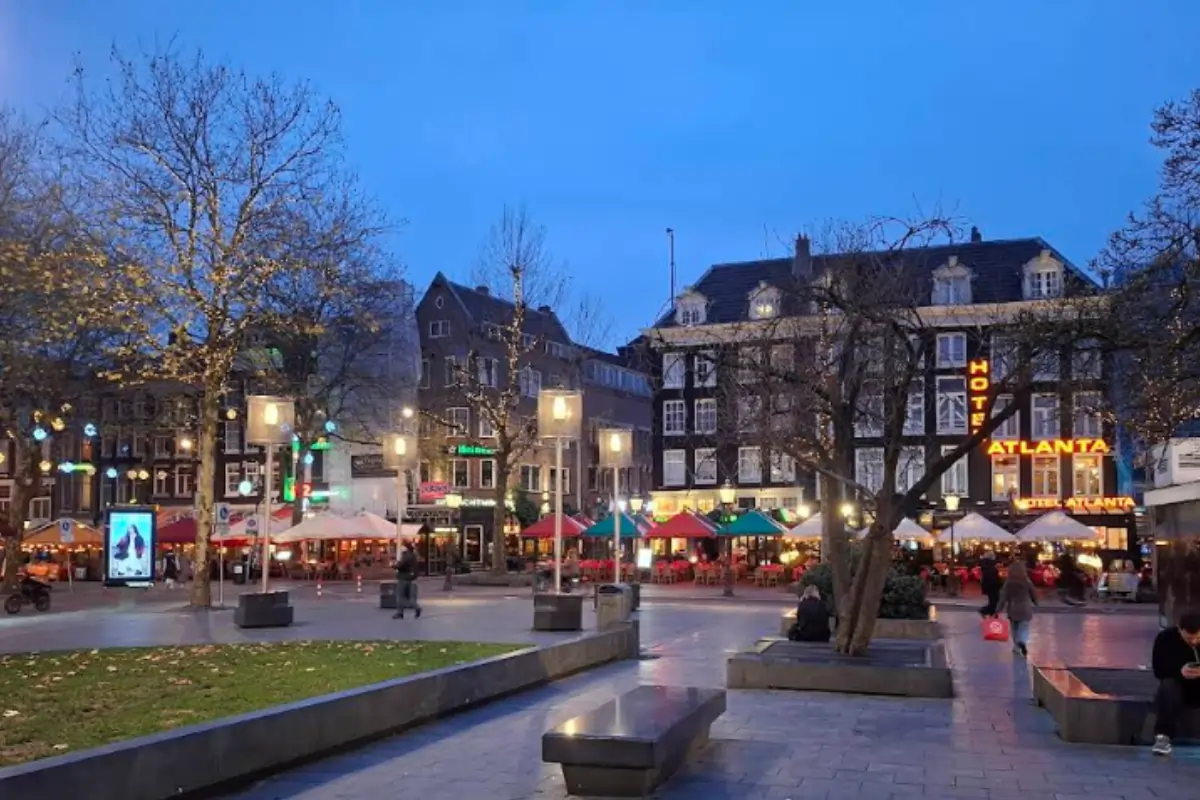
Rembrandtplein functions primarily as a transitional urban space rather than a site with multiple standalone attractions.
Visitors typically use the square briefly as part of a wider route through the city.
Common uses include the following:
- Viewing the Rembrandt statue, which is freely accessible at all hours.
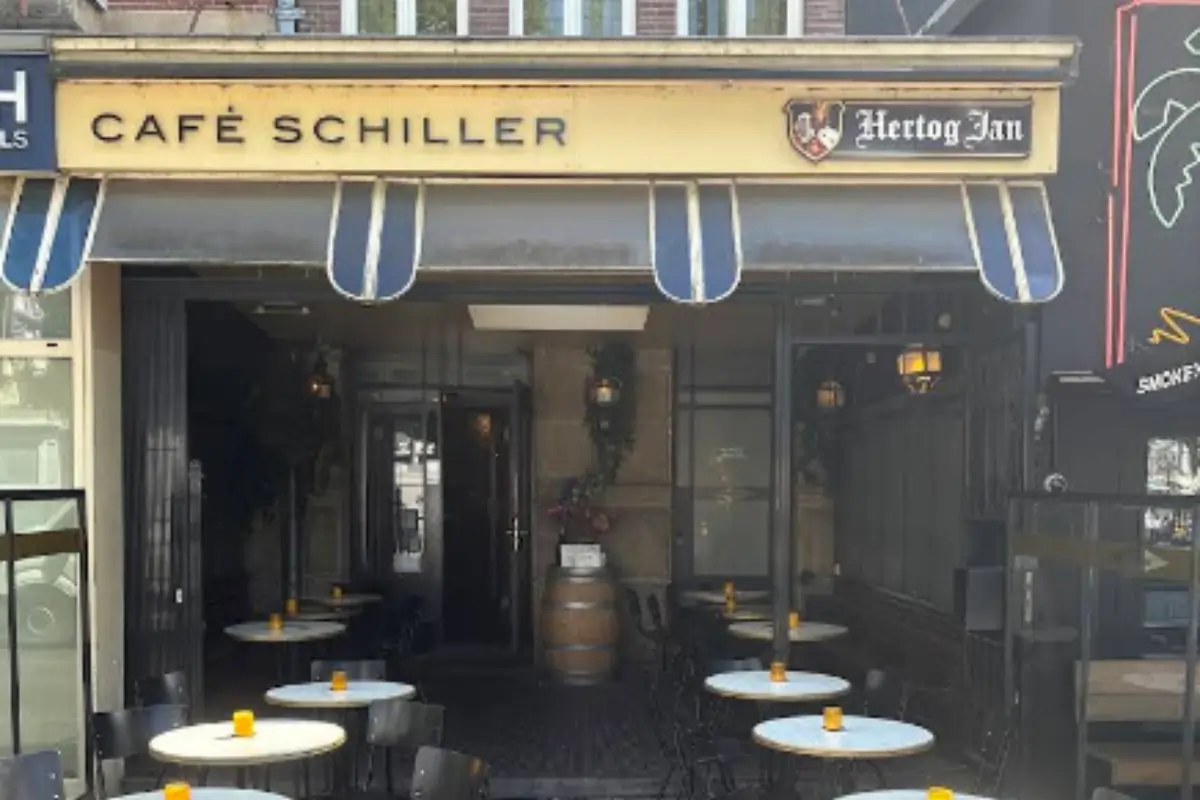
- Sitting at cafés facing the square, including Café Schiller, which has operated at this location since the early 20th century.
- Walking onward to Thorbeckeplein, a smaller adjacent square with additional bars and terraces.
- Using the square as a meeting point before evening activities along Reguliersdwarsstraat.
Rembrandtplein is best approached as a connector between canals, dining streets, and nightlife areas.
When Is the Best Time to Visit Rembrandtplein?
The best time to visit Rembrandtplein depends on whether the visit is part of daytime sightseeing or evening plans. The square changes function noticeably over the course of the day.
Typical patterns include:
- Morning: Lower foot traffic, suitable for short stops and photographs.
- Afternoon: Moderate activity linked to cafés and nearby shopping streets.
- Evening: Increased activity related to bars and clubs, especially Thursday through Saturday.
Crowd density is generally highest after 20:00 on weekends.
Where Can Visitors Eat Near Rembrandtplein?
Food options near Rembrandtplein range from cafés to full-service restaurants, distributed across the square and surrounding streets. Menus and pricing vary depending on location and time of day.
Commonly referenced options include:
- De Nachtwacht serves traditional Dutch dishes.
- STACH is focused on takeaway meals and quick lunches.
- Loetje Centrum is known for steak-based menus.
- Café Schiller, offering coffee and light meals indoors and on the terrace.
Menus are usually displayed outside venues, allowing visitors to assess pricing in advance.
Which Hotels Are Located Near Rembrandtplein?
Several hotels are within a short walk of Rembrandtplein, making the area convenient for visitors prioritising central access.
Frequently used options include:
- NH Amsterdam Schiller is located directly on the square.
- Banks Mansion, approximately five minutes away on foot.
- Hotel Atlanta, offering basic accommodation close to tram stops.
This area is best suited to visitors who expect evening activity rather than quiet surroundings.
How Do Visitors Get to Rembrandtplein?
Rembrandtplein is easily reached by public transport, on foot, or by bicycle from most central locations.
Access options include:
- Tram: Lines 4 and 14 stop at Rembrandtplein according to GVB routing updates for 2025.
- Walking: Approximately 10 minutes from the Flower Market.
- Cycling: Dedicated cycling routes pass nearby, with bicycle parking in surrounding streets.
There is no metro station directly beneath the square.
What Practical Tips Should Visitors Know Before Going?
Understanding how the square is used helps visitors avoid mismatched expectations.
Key considerations include:
- Weekdays are typically calmer than weekends.
- Evening prices at some venues are higher than daytime rates.
- The area becomes busy at night, so standard awareness of belongings is advisable.
- Most visitors spend limited time in the square unless dining or attending nearby venues.
What Attractions Are Within Walking Distance of Rembrandtplein?
Several locations are reachable on foot within a short timeframe, increasing the square’s planning value.
These include:
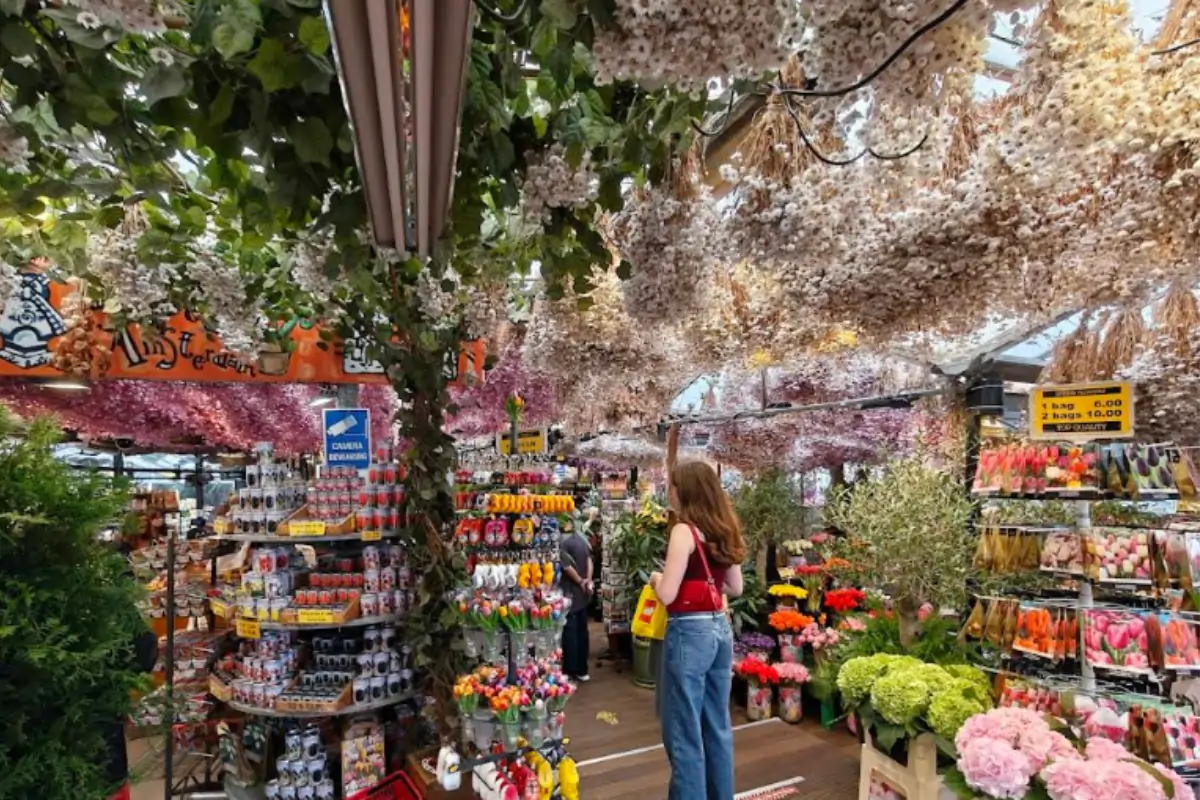
- The Flower Market along Singel.
- The Amstel River embankment.
- H’ART Museum, approximately seven minutes away on foot.
No additional transport is required for these connections.
FAQs
Q. What is Rembrandtplein mainly known for?
Rembrandtplein is known for its central location, Rembrandt statue, cafés, and evening venues.
Q. Are the Night Watch sculptures still at Rembrandtplein?
No. The bronze sculptures were removed in February 2020 and are no longer on display.
Q. How long should visitors plan to spend at Rembrandtplein?
Most visitors spend 15–30 minutes in the area, unless they are dining or participating in evening activities.
Q. Is Rembrandtplein suitable for daytime visits?
Yes. During daytime hours, the square is accessible and relatively calm, though it is not a museum-style attraction.
What Is the Key Planning Takeaway for Rembrandtplein?
Rembrandtplein functions best as a central connector rather than a destination in itself. Its value for visitors lies in location, transport access, and proximity to canals, dining streets, and evening venues within Amsterdam’s historic centre.
What Should Visitors Know About Nightlife Around Rembrandtplein?
Rembrandtplein becomes an evening-oriented area after sunset, primarily with activity levels shaped by bars, clubs, and late-opening venues surrounding the square.
Visitors deciding whether to spend time here at night often need clarity on venue types, opening hours, crowd patterns, and how the area compares with other nightlife districts in Amsterdam.
For a focused breakdown of clubs, bars, typical operating hours, and what to expect on different days of the week, see the dedicated Rembrandtplein nightlife guide linked here.
This helps visitors assess whether the area fits their evening plans before committing to time or accommodation nearby.