Table of Contents
What is Rembrandtplein nightlife and why does it matter for Amsterdam visitors?
Rembrandtplein nightlife refers to the concentration of late-evening bars, clubs, and lounges located around Rembrandtplein in central Amsterdam.
It matters for visitors because this square functions as one of the city’s most recognisable evening meeting points, with venues clustered within a short walking radius and public transport operating late into the night.
Rembrandtplein is relevant for travellers who want a high-density nightlife area without travelling between multiple districts.
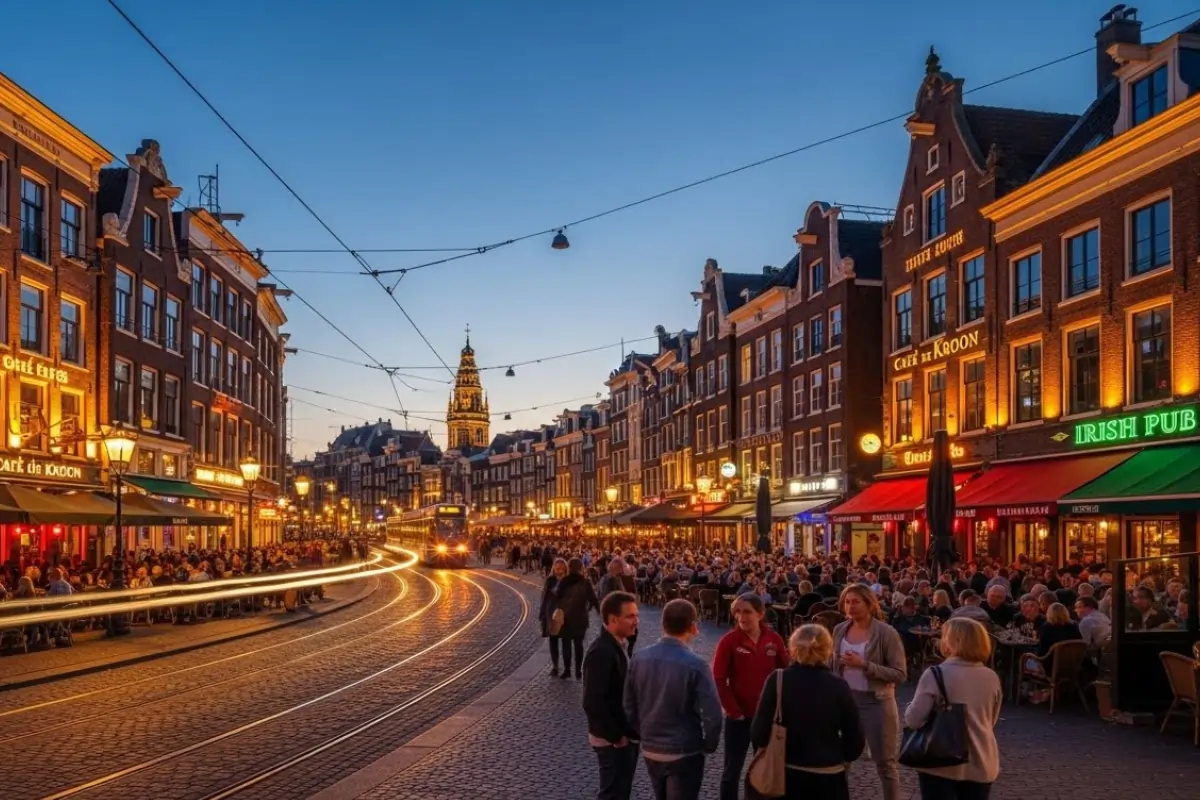
Where is Rembrandtplein located within Amsterdam?
Rembrandtplein is located in Amsterdam Centrum, close to the Amstel River and the inner canal belt.
The square sits between Reguliersdwarsstraat and the eastern canal area, placing it within walking distance of Dam Square and Waterlooplein.
Several GVB tram lines stop directly at or next to the square, including lines 4 and 14, based on transport route maps updated in 2026.
What types of nightlife venues are concentrated around Rembrandtplein?
The nightlife around Rembrandtplein consists primarily of large nightclubs, mid-size bars, hotel lounges, and late-opening cafés.
Most venues operate seven days a week, with peak attendance on Friday and Saturday nights.
The area is structured so that visitors can move between venues without advance planning due to short distances and extended opening hours.
Which nightclubs are most established near Rembrandtplein?
The most established nightclubs near Rembrandtplein are large-capacity venues that focus on electronic, house, and commercial dance music.
These clubs typically operate with ticketed entry after late evening.
Commonly referenced options include:
- Escape, which is one of the largest clubs in the area, operates multiple floors.
- Club AIR, which hosts rotating DJs and themed club nights.
Many clubs apply age checks and door policies, with ID verification common after 22:00, according to venue entry guidance updated in 2026.
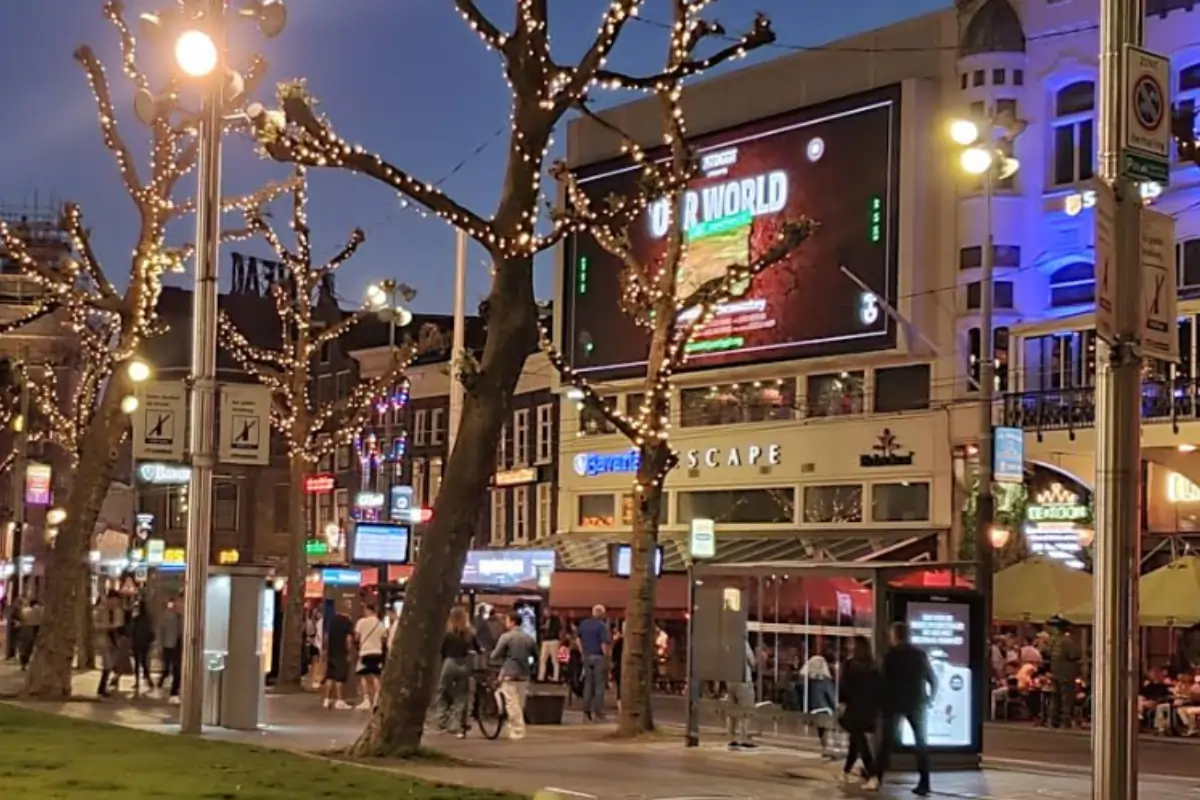
What bars and lounges are suitable for a quieter evening near Rembrandtplein?
Bars and lounges around Rembrandtplein range from historic cafés to modern hotel-based venues. These locations are typically used for early evening drinks or as stops before club entry times.
Regularly visited options include:
- Café Schiller is known for its historic interior and for serving from day to night.
- De Kroon, which operates as a lounge-style bar with indoor seating and terrace views.
- Smokey, which functions as a hybrid bar and late-night venue.
Most bars do not charge entry fees and accept walk-in guests throughout the evening.
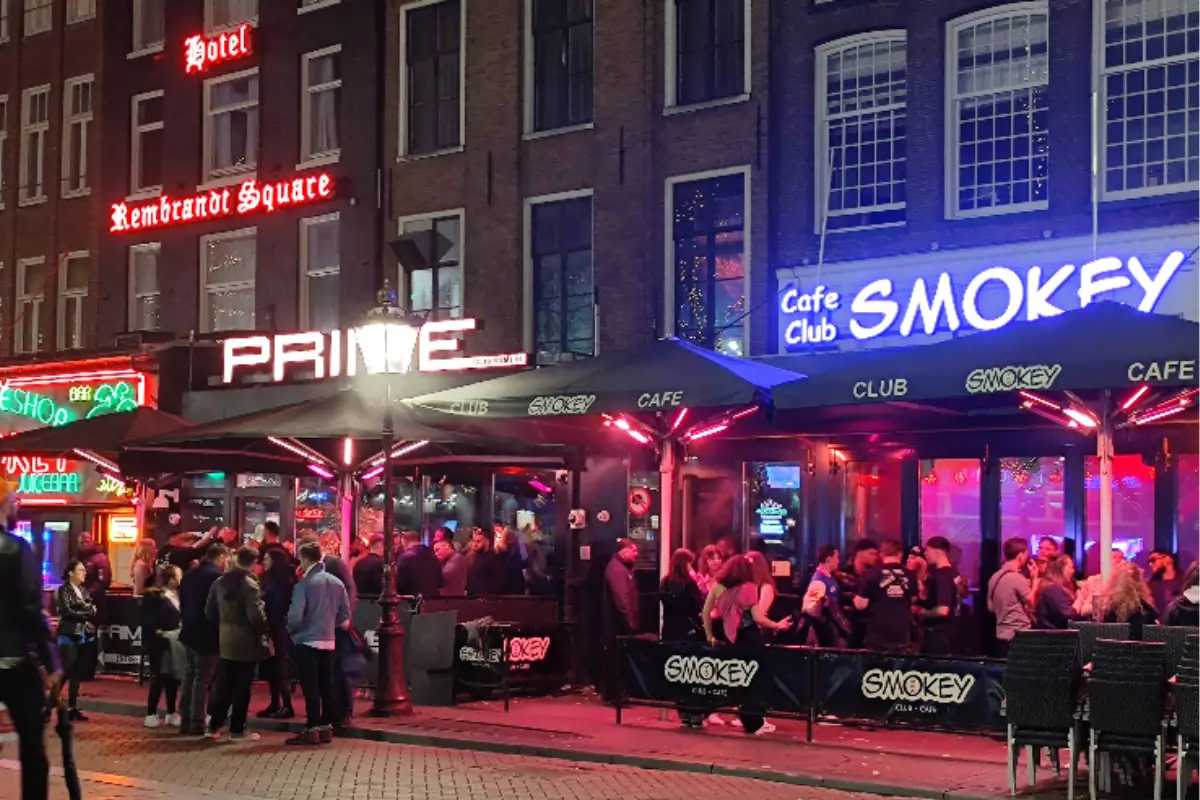
How does Reguliersdwarsstraat relate to Rembrandtplein nightlife?
Reguliersdwarsstraat runs directly alongside Rembrandtplein and extends the nightlife area into an LGBTQ+-oriented bar and club corridor.
The street is known for smaller venues, themed bars, and late opening hours.
This proximity allows visitors to combine the two areas in a single evening without needing to plan transportation, which is a frequent source of confusion for first-time visitors.
What practical costs should visitors expect when going out in Rembrandtplein?
Typical nightlife costs around Rembrandtplein are consistent with central Amsterdam pricing. Entry fees apply mainly to nightclubs, while bars generally charge per drink only.
Based on commonly updated venue menus in 2026:
- Beer prices usually start around €5.
- Cocktails are commonly priced between €12 and €15.
- Club entry fees often range from €15 to €20, depending on the night and event.
What transport options are available after midnight near Rembrandtplein?
Late-night transport options around Rembrandtplein include night buses, taxis, and cycling. Trams operate until shortly after midnight, after which night bus routes cover central areas.
Amsterdam’s ferry network does not serve this area, but taxi ranks are present near the square during weekend nights, according to municipal transport layouts updated in 2026.
What safety considerations apply to nightlife around Rembrandtplein?
Rembrandtplein is generally well-lit and monitored, but crowd density increases late at night. Visitors are advised to remain attentive in busy venues and public spaces.
Standard precautions include monitoring personal belongings, keeping drinks in sight, and confirming return transport before venues close.
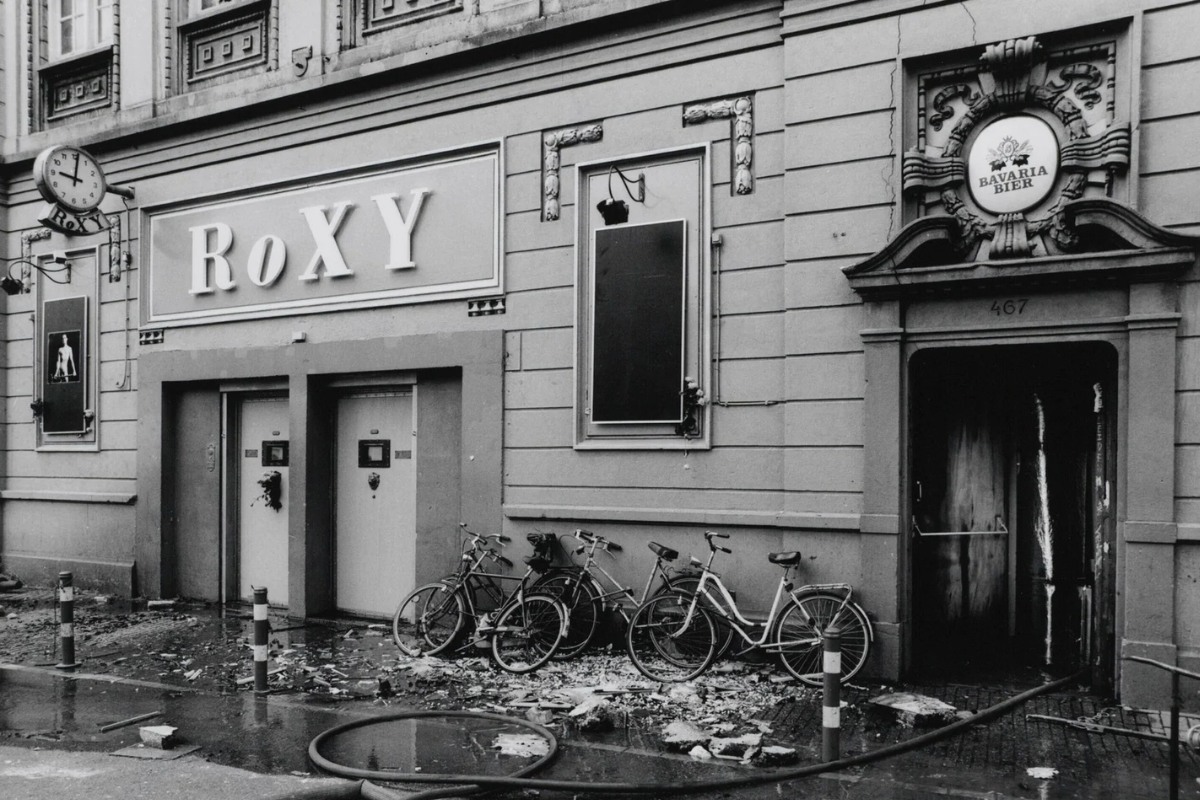
Why is the former Roxy Club still mentioned in discussions of Rembrandtplein?
The Roxy Club, which closed in 1999, is frequently cited for its historical influence on Amsterdam’s club culture.
Its former location near Rembrandtplein helped shape the area’s reputation as a nightlife zone in the 1990s.
While the venue no longer exists, it remains part of the square’s cultural context in historical nightlife coverage.
FAQs
Q. Is Rembrandtplein suitable for visitors who do not want clubbing?
Yes. Bars, cafés, and lounges operate throughout the evening, making the area usable without entering nightclubs.
Q. Do venues around Rembrandtplein require advance booking?
Most bars do not. Some clubs sell advance tickets, but walk-in entry is common outside peak hours.
Q. Is there a dress code for Rembrandtplein nightlife venues?
Dress codes are informal, but clubs may refuse entry for sportswear or heavily casual attire depending on the event.
Q. What time does nightlife peak around Rembrandtplein?
Activity increases after 22:00, with peak crowds typically between 23:30 and 02:00 on weekends.
What should visitors take away when planning an evening in Rembrandtplein?
This guide is most useful for visitors who want a centralised nightlife area with multiple venue types within walking distance.
The key planning consideration is timing, as venues shift from bar-focused to club-focused later in the evening.
For short stays or first visits to Amsterdam, Rembrandtplein functions as a practical reference point rather than a location that requires advance scheduling.
How does Rembrandtplein function beyond nightlife?
While this guide focuses on evening venues and late-night logistics, Rembrandtplein also plays a broader role in Amsterdam’s city layout.
During the day, the square serves as a public meeting point, with terraces, cafés, tram stops, and pedestrian access routes connecting the eastern canal belt to the central shopping streets.
For visitors who want context beyond nightlife, including the square’s history, layout, nearby attractions, and daytime use, a separate overview provides that planning background in one place.
Rembrandtplein guide covering location context, daytime use, surrounding streets, and visitor relevance throughout the day.