Table of Contents
What makes Jordaan relevant for visitors seeking quieter places in Amsterdam?
Jordaan is a central Amsterdam neighbourhood known for historic housing, small courtyards, local cafés, and markets that attract fewer organised tour groups than nearby districts.
For visitors, it matters because many sites remain accessible on foot while offering calmer surroundings compared with Dam Square or Leidseplein.
Jordaan is best suited to travellers who want short walking distances, locally oriented venues, and places that do not require advance tickets.

Why does Jordaan contain so many lesser-known places?
Jordaan developed in the 17th century as a working-class district with compact housing, religious courtyards, and small-scale commerce.
This structure created enclosed spaces, narrow streets, and venues that still operate on a neighbourhood scale rather than mass tourism.
Many courtyards in Jordaan date from the 17th and 18th centuries and were built as charitable housing, according to Amsterdam municipal heritage records updated in 2024.
How can visitors move around Jordaan efficiently?
Jordaan is most practical to explore on foot due to short block lengths and limited car access.
Cycling is also common, but walking allows easier entry into courtyards and markets.
The area is served by GVB tram lines 13, 17, 18 and 21, with stops near Westermarkt and Nieuwe Willemsstraat, based on current public transport maps.
Which courtyards in Jordaan are open to respectful visitors?
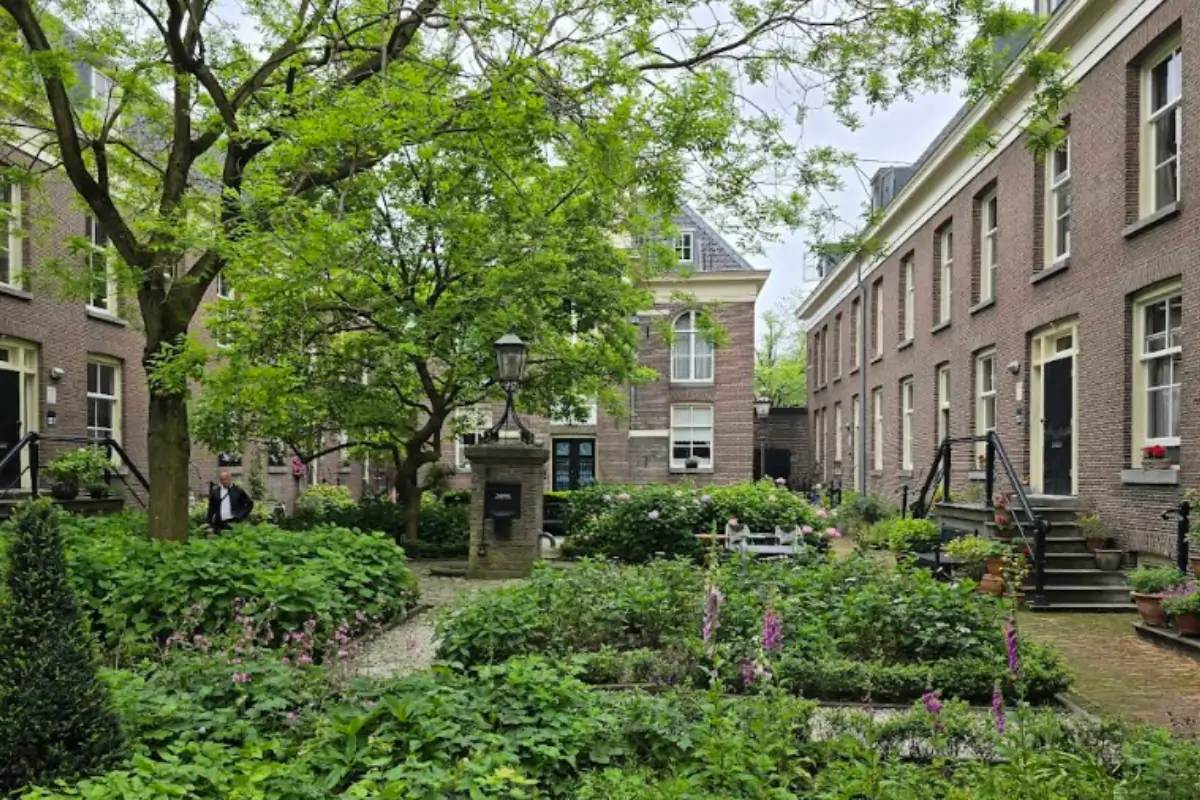
Several historic courtyards remain accessible during daytime hours, provided visitors remain quiet and brief.
These spaces are residential and not formal attractions.
Notable examples include:
- Hofje van Brienen – Courtyard founded in 1804 on Prinsengracht that is usually open during daylight hours.
- Raepenhofje – Established in 1648, Palmgracht near Egelantiersgracht, and among the oldest hofjes in the city.
Most hofjes close their gates in the early evening, based on posted access rules updated locally in 2026.
Which traditional cafés in Jordaan reflect local drinking culture?
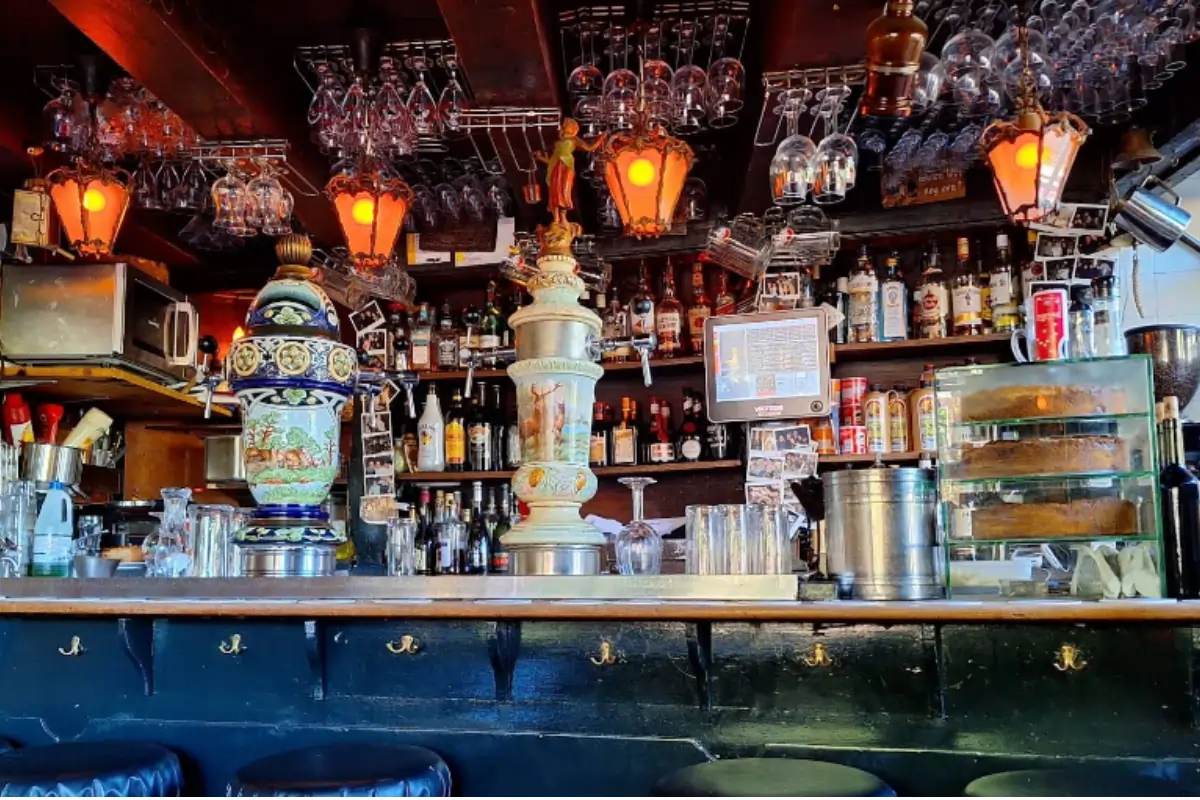
Brown cafés in Jordaan are small, historic bars characterised by wood interiors and limited seating.
They primarily serve local residents and regular patrons.
Two long-established examples are:
- Café Papeneiland – Operating since the 17th century and known for apple pie served during daytime hours.
- Café Chris – Dating to 1624 and regarded as one of the oldest cafés in the neighbourhood.
Most brown cafés accept walk-ins only and do not take reservations.
Are there smaller art galleries in Jordaan worth visiting?
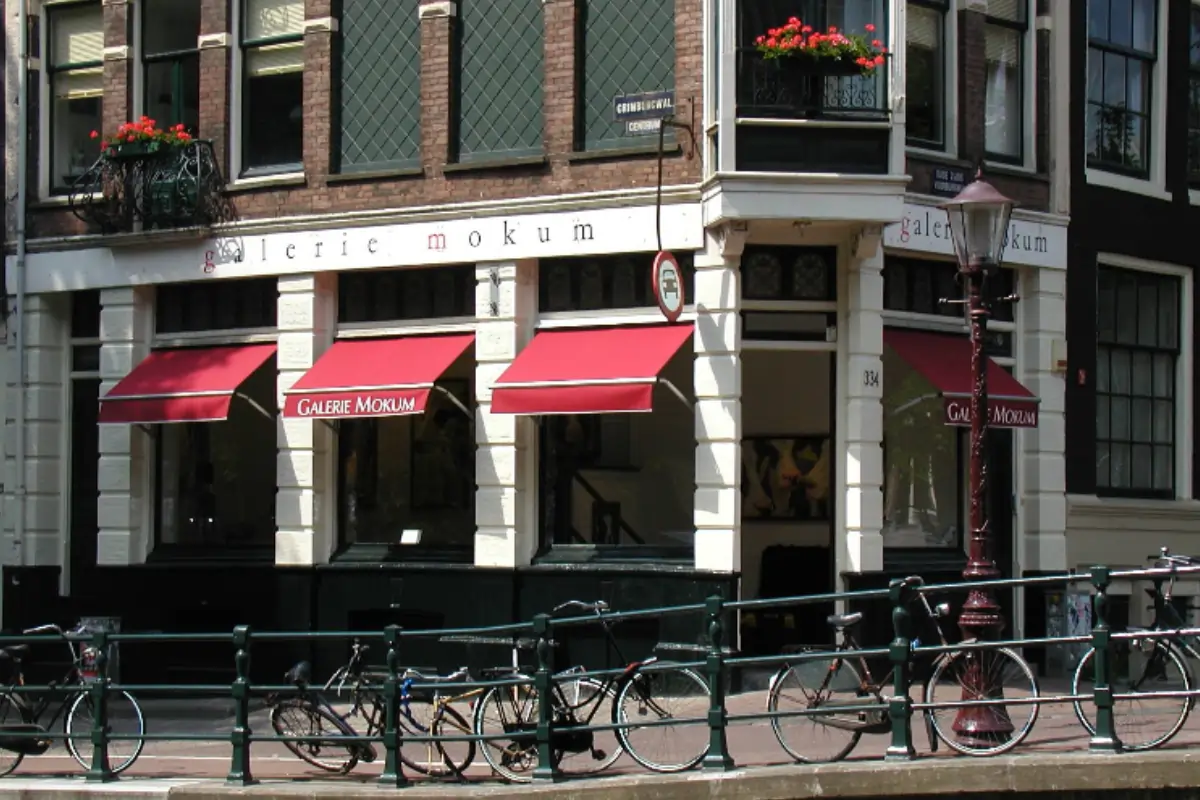
Jordaan hosts several compact galleries focused on Dutch and European artists rather than rotating blockbuster exhibitions.
These venues typically allow free entry.
Examples include:
- Galerie Mokum – Known for realist and figurative art in a quiet side street location.
- Galerie Bart – Exhibits contemporary artists with changing shows throughout the year.
Gallery opening hours vary and are usually limited to afternoon slots, according to venue schedules updated in 2026.
What can visitors expect at Noordermarkt?
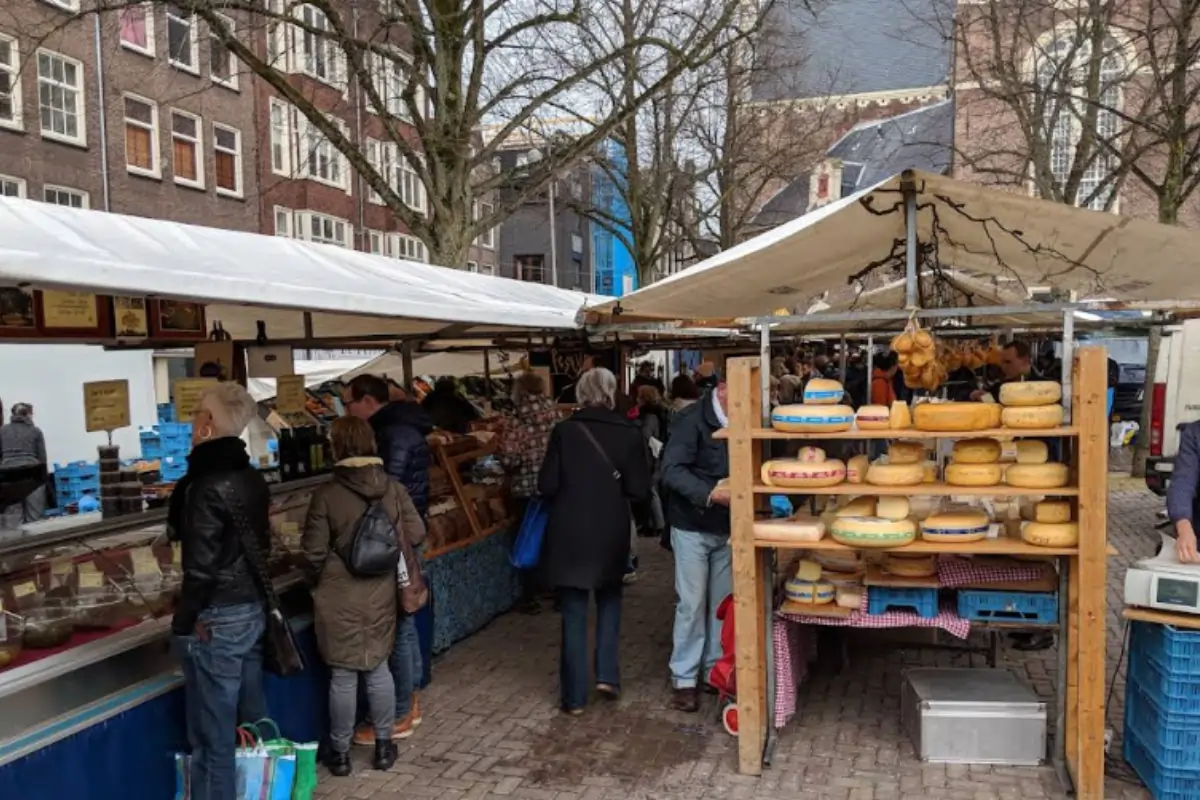
Noordermarkt is a neighbourhood market located at the edge of Jordaan near Westerkerk.
Its character changes depending on the day of the week.
Regular market formats include:
- Saturday organic market with produce, bread, and cheese.
- Monday flea market focused on second-hand clothing, books, and household items.
Markets typically operate from 9 am to 1 pm, Saturday markets run until 4 pm (9 am-4 pm) and Monday markets until 2 pm (9 am-2 pm).
Is the Houseboat Museum suitable for short visits?
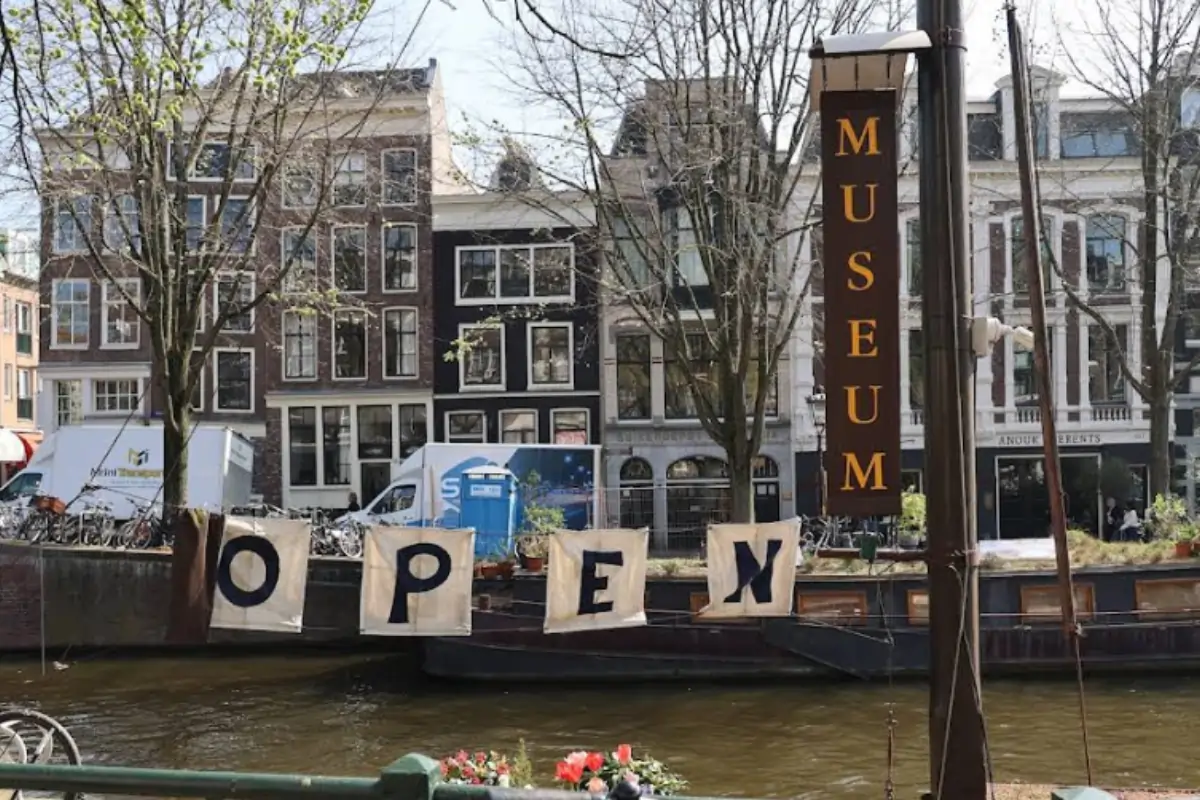
The Houseboat Museum offers a brief indoor visit focused on canal living.
It is housed inside a former cargo vessel from 1914.
The museum explains how residential boats are adapted for daily use and is usually quieter than larger museums, according to visitor flow data published in 2024.
What is the origin of the name Jordaan?
The name “Jordaan” is commonly linked to the French word jardin, referring to garden-related street names in the area.
These names reflect the historical planting themes used when the district was developed in the 17th century.
FAQs
Is Jordaan suitable for visitors with limited time?
Yes. Most locations are within a compact walking area and can be combined with a visit to Anne Frank House or Westerkerk.
Do courtyards in Jordaan charge an entry fee?
No. Hofjes are free to enter but rely on respectful behaviour and limited visiting hours.
Are cafés in Jordaan family-friendly?
Many cafés allow daytime visits with children, but most focus on adult patrons in the evening.
Is Noordermarkt open every day?
No. The organic market operates on Saturdays, and the flea market runs on Mondays.
Do I need advance tickets for the Houseboat Museum?
Advance tickets are typically not required, but capacity is limited due to the boat’s size.
How does this guide help visitors plan time in Jordaan?
This guide is intended for visitors seeking to understand where quieter, locally oriented places remain in central Amsterdam.
The main planning takeaway is to visit Jordaan during the day, walk rather than rush, and treat residential areas with care.
How can visitors combine these locations into a practical walking plan?
Visitors who want to see Jordaan’s courtyards, cafés, markets, and smaller museums efficiently may benefit from following a structured route rather than moving between locations independently.
A dedicated walking guide helps clarify distances, natural sequencing, and realistic timing within the neighbourhood.
For a route-based overview linking streets, canals, and the key stops discussed above, see the Jordaan walking guide.
This allows visitors to plan a single walk that fits within a half-day and aligns with typical opening hours, updated for recent seasons.