De Pijp sits just south of Amsterdam’s historic centre and has grown into one of the city’s most recognisable neighbourhoods.
Visitors come for the Albert Cuyp Market, cafés, global food, student life, Sarphatipark and a lively local atmosphere.
Behind today’s appeal lies a complex past shaped by rapid growth, imperfect construction and a community that grew more vibrant with each decade.
This guide presents the most complete, corrected and well-structured overview of De Pijp available online.
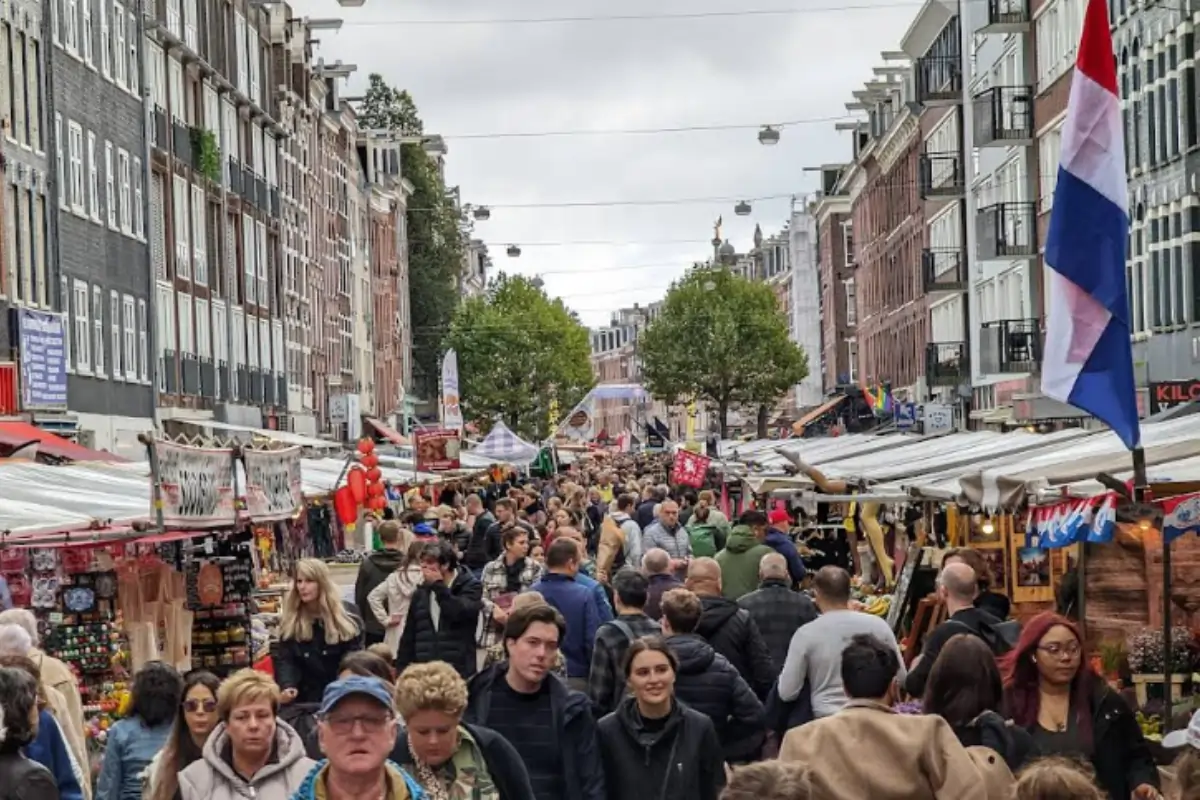
Table of Contents
Where Did De Pijp Get Its Name?
Most historians believe the name refers to the area’s long, straight street pattern that resembled a pipe when viewed from above.
Another theory links the name to the gas pipes installed during early development, although this explanation has little support.
The simple linear layout remains the most accepted source of the name.
How Did De Pijp Develop in the Late Nineteenth Century?
Between the 1860s and early 1900s, Amsterdam’s population grew quickly.
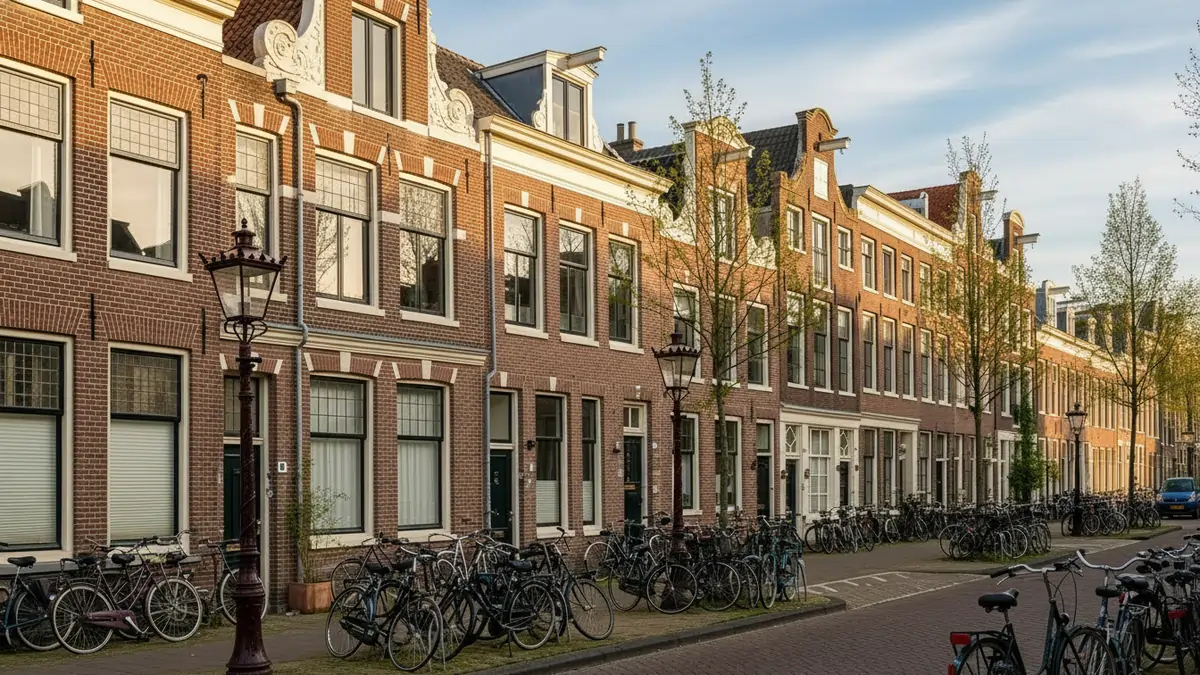
Private developers, rather than the municipality, controlled construction in De Pijp.
Their priority was speed, which resulted in modest yet inconsistent building quality.
Houses often included separate kitchens and indoor toilets, which were considered modern at the time.
However, several issues were common:
- Weak or insufficient foundation support
- Bricks that lacked full hardening
- Slim wooden beams are used in place of sturdier materials
- Streets narrowed compared with the original plans
- Public gardens were removed to increase building space
These choices reflected the broader building climate of the era, where rapid urban expansion encouraged cost-cutting.
Why Did Students and Artists Choose to Live in De Pijp?
Although the neighbourhood appeared plain in its early years, it offered affordable rooms because many tenants sublet to cover their rent.
Students from nearby institutions moved in and helped create a young, creative population.
Artists also gravitated toward De Pijp. The Movement of the Eighties, a group that shaped Dutch literature and art, formed here.
Poet Willem Kloos lived and wrote within the neighbourhood, surrounded by other emerging writers and painters.
One of the most important cultural developments began on Quellijnstraat 64.
Eduard Jacobs, a diamond cutter influenced by performances he saw in Paris, introduced Dutch cabaret.
He began performing at De Kuil on 19 August 1895, continuing into the early twentieth century.
His songs focused on working life, poverty and social issues, giving audiences a new style of performance that helped define Amsterdam’s cultural scene.
How Did Nightlife Grow in De Pijp?
Despite its modest architectural beginnings, De Pijp quickly gained a reputation for evening entertainment.
Frans Halsstraat became known for clubs and social venues. Around Sarphatipark, the larger houses provided space for upscale establishments.
While smaller and more affordable venues appeared near the Albert Cuyp area and Govert Flinckstraat.
These spaces attracted students, workers, performers and visitors, creating a cultural mix that shaped the neighbourhood’s character.
What Should Visitors Expect at the Albert Cuyp Market?
The Albert Cuyp Market began in 1905 as a small Saturday evening market. It expanded steadily and became a daily market in 1912.
Today, it stands as one of the busiest street markets in Europe.
Visitors find:
- Fresh produce and Dutch snacks
- Surinamese, Indonesian, Turkish and Moroccan specialties
- Clothing and home goods
- Affordable street food with global influences
- Local vendors who have been part of the market for decades
The market remains a central destination for both residents and travellers.
What Are the Key Areas Within De Pijp?
Albert Cuypstraat Area
The busiest part of the neighbourhood, known for its market, eateries and constant street activity.
Sarphatipark Zone
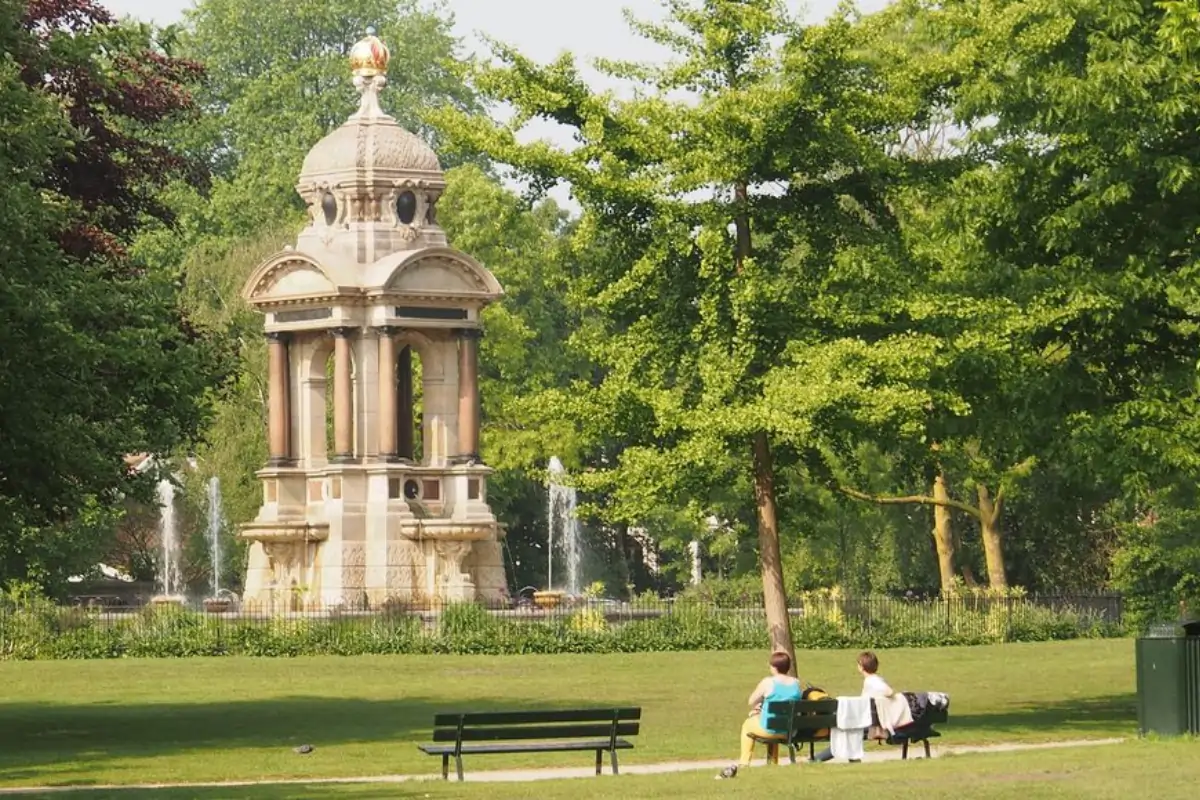
A peaceful green space surrounded by elegant residential streets. Many visitors stop here to relax between exploring shops and cafés.
Ferdinand Bolstraat
One of the main thoroughfares in De Pijp. It contains shops, restaurants and efficient tram connections to Amsterdam’s key districts.
Van Woustraat
A long street filled with multicultural restaurants, bakeries and specialty food stores.
Quellijnstraat and Ruysdaelkade
Notable for their cultural importance and the site where Dutch cabaret began.
South of Sarphatipark
A diverse section of the neighbourhood with strong migrant influences, students and long-term residents.
Its food culture reflects the wide range of backgrounds that live here.
What Food and Drink Options Stand Out in De Pijp?
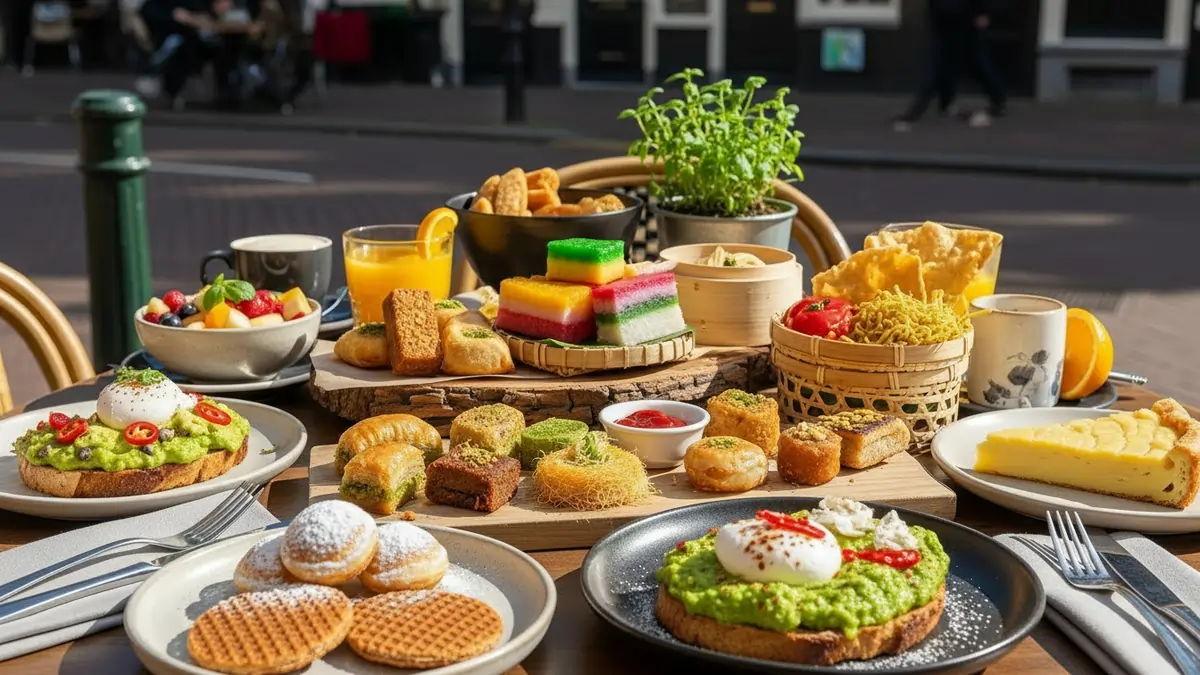
De Pijp is considered one of Amsterdam’s most varied dining districts. Popular options include:
- Dutch cafés and brown bars
- Surinamese and Indonesian kitchens
- Middle Eastern bakeries
- Mediterranean restaurants
- Vegan and vegetarian cafés
- Modern brunch spots
- Craft coffee bars
Food plays a major role in the neighbourhood’s identity and offers a welcoming introduction to Amsterdam’s multicultural population.
How Have Migration and Student Life Influenced the Neighbourhood Today?
Students continue to choose De Pijp for its lively atmosphere and proximity to universities.
Migrant communities have shaped the area with new food, shops and cultural traditions.
Together, these groups have created a district with an identity that feels young, diverse and active.
What Modern Attractions Can Visitors Explore?
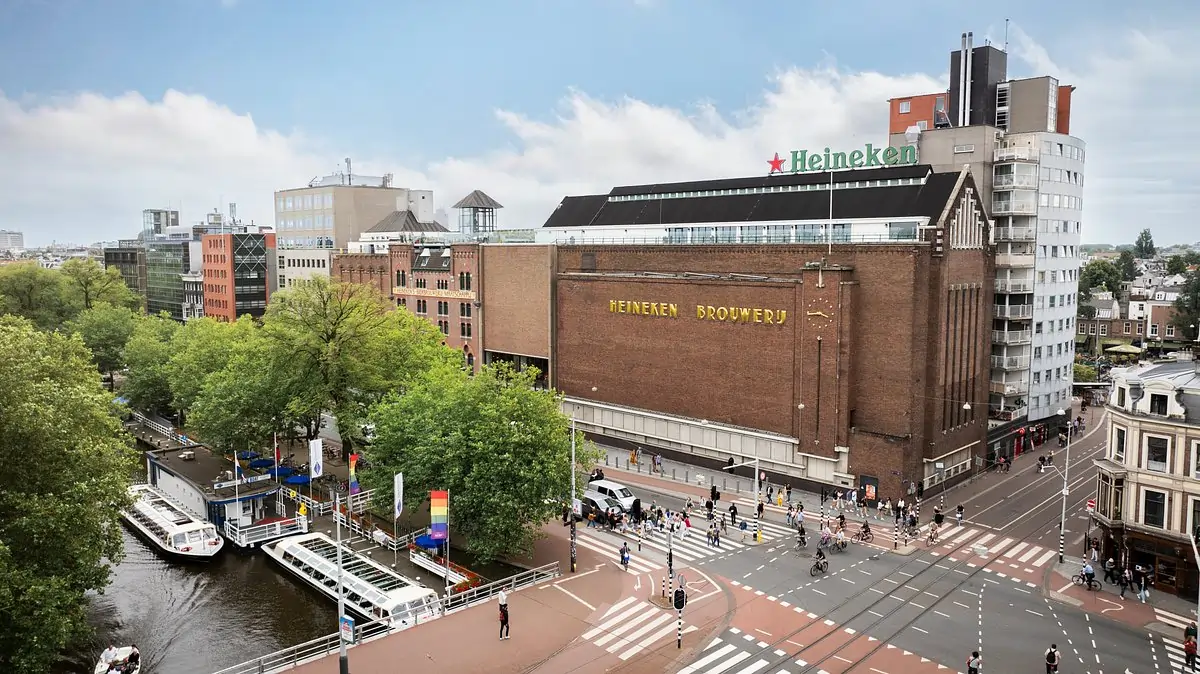
Heineken Experience
A major attraction located at the northern edge of De Pijp.
Sarphatipark
One of Amsterdam’s most inviting small parks, ideal for afternoon breaks and quiet walks.
Independent Boutiques
Small shops selling design items, home goods, clothing and jewellery.
Café Culture
Outdoor seating, coffee bars and relaxed social spaces can be found on nearly every main street.
Creative Spaces
Although fewer than in the past, several studios and galleries still operate on side streets.
How Can Travellers Reach De Pijp Easily?
De Pijp is one of Amsterdam’s easiest districts to access:
- Metro Noord-Zuidlijn at Station De Pijp
- Trams 3, 12 and 24
- Cycling routes directly from the city centre
- Short walks from Museumplein and the Heineken Experience
These connections make the neighbourhood convenient for both short visits and longer stays.
Is De Pijp a Good Place to Stay in Amsterdam?
Yes. Many visitors choose De Pijp because it offers:
- A lively atmosphere without the crowds of the historic centre
- Proximity to the Museum Quarter
- A wide choice of cafés and restaurants
- Reliable transport
- A local, authentic feel
Boutique hotels and apartment-style accommodations are common along Ferdinand Bolstraat, Sarphatipark and Van Woustraat.
Why Is De Pijp Included in the Canon of Amsterdam?
De Pijp appears as window number 33 in the Canon of Amsterdam. It represents a turning point in the city’s urban development during the nineteenth century.
The neighbourhood illustrates how Amsterdam expanded as new populations arrived, new housing models emerged, and new cultural movements formed.
Its artistic contributions, market traditions and diverse population continue to shape its identity.
FAQ
Q. What is De Pijp known for?
The neighbourhood is known for the Albert Cuyp Market, food culture, Sarphatipark, student life and lively streets.
Q. Is De Pijp safe for tourists?
Yes. It is considered safe and welcoming. Normal city-awareness practices are sufficient.
Q. How long should you spend in De Pijp?
Two to four hours is common, though visitors who enjoy food and shopping often stay longer.
Q. What is the best time to visit the Albert Cuyp Market?
Late morning or early afternoon provides the best balance of activity and comfort.
Q. Is De Pijp expensive?
Food prices vary widely. Street food is affordable, while some cafés and restaurants are mid to high range.
Q. Can you walk from De Pijp to the Museum Quarter?
Yes. The walk takes about ten minutes from most parts of the neighbourhood.
Q. What makes De Pijp different from Jordaan?
Jordaan is known for historic canal houses. De Pijp is known for multicultural streets, modern cafés and a younger population.
Q. Is De Pijp suitable for families?
Yes. The park, cafés and market atmosphere make it enjoyable for families.
What Part of Amsterdam Should You Explore Next?
If you want to understand how Amsterdam grew from its historic core into modern neighbourhoods like De Pijp, the next place to explore is the Old City Centre.
This area contains canal views, medieval streets, major landmarks, shops and some of the most recognisable sights in the city.