Amsterdam’s canals are more than beautiful waterways; they are the product of 400 years of Golden Age engineering layered onto nearly 900 years of settlement history.
Together, they form one of the world’s most impressive examples of urban planning, water management, architecture, and cultural heritage.
With 165 canals, over 1,500 bridges, and an iconic layout recognised by UNESCO, the canal belt lies at the heart of Amsterdam’s identity.
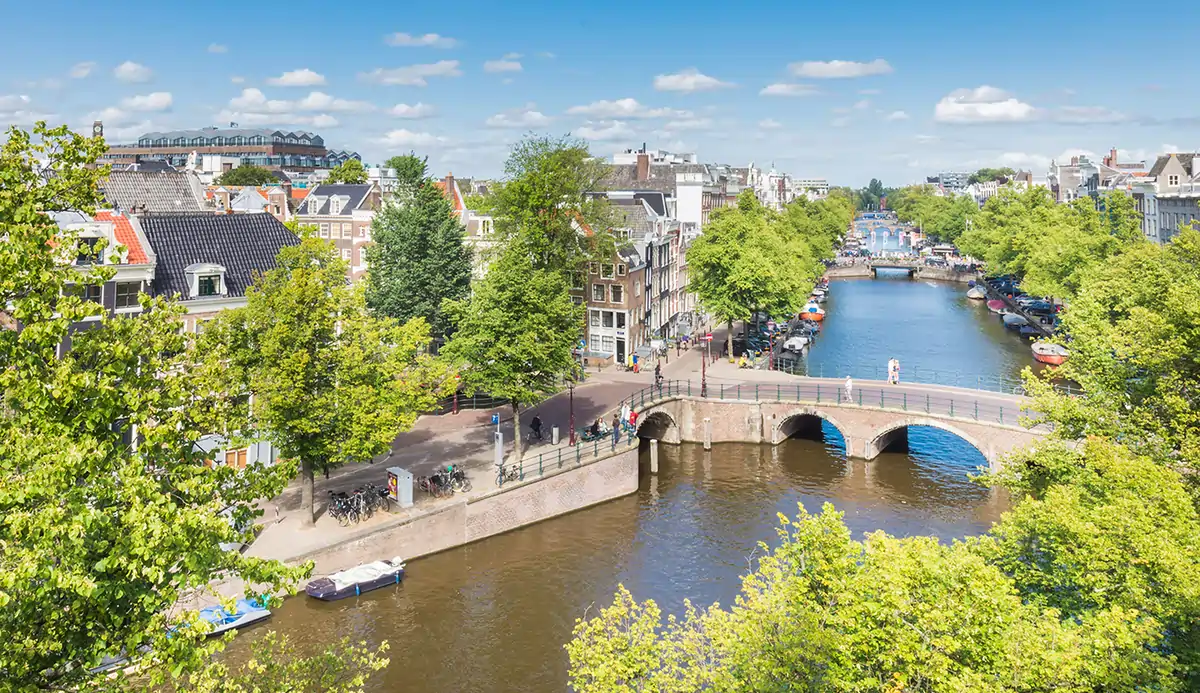
Table of Contents
The Origins: From Peatlands to a City (9th–13th Century)
Early Settlements
Amsterdam began as a small community along the Amstel River in the 9th century, known as Aemestelle and Aemstelredamme.
These early residents lived on peatlands and gradually raised the ground to protect themselves from flooding.
11th Century: The First Man-Made Island
Farmers and fishermen created a protective island in the middle of the Amstel. Over time, this expanded into the areas now known as:
- Damrak
- Rokin
- Dam Square
These formed the nucleus of today’s city centre.
1275: Amsterdam Gains City Rights
Count Floris V granted residents the right to trade toll-free, marking the first recorded mention of Amsterdam.
This charter helped transform the small riverside settlement into a growing commercial centre.
The Evolution of the Canal System: 400 Years of Urban Innovation
Amsterdam’s canal network was built in four main phases, each reflecting the city’s growth.
Phase 1: Medieval Defences (13th–15th Century)
The earliest canals, including Oudezijds Voorburgwal and Nieuwezijds Voorburgwal, served as defensive moats, boundary markers, and transportation routes.
Phase 2: 17th-Century Golden Age Construction
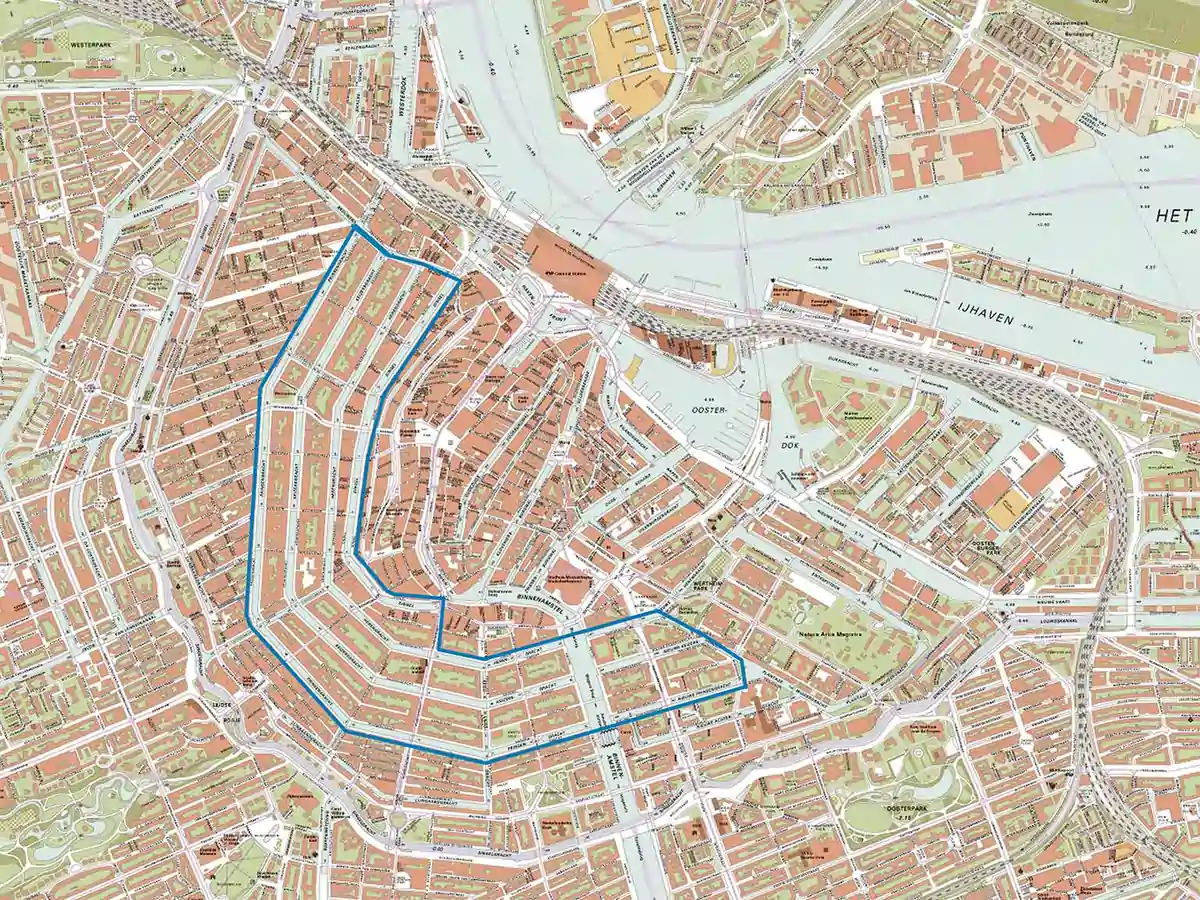
The Grachtengordel (canal belt) was constructed between 1613 and 1662, forming a perfectly planned horseshoe-shaped ring around the old medieval city.
It includes four major canals:
- Singel – originally the medieval moat
- Herengracht – home to wealthy regents
- Keizersgracht – the broadest canal in the historic canal belt, at approximately 31 metres
- Prinsengracht – the longest of the main canals
This system was a groundbreaking example of hydraulic engineering and urban planning, designed for:
- Controlled water flow
- Sanitation
- Transportation
- Flood management
- Urban expansion
Phase 3: Jordaan Development
The Jordaan neighbourhood added smaller, narrower canals to serve its working-class residents. Many were later filled in, including:
- Elandsgracht
- Rozengracht
- Lindengracht
- Palmgracht
Phase 4: 19th–20th Century Changes
As automobiles arrived, nearly 70 canals were filled to create wider streets.
To combat pollution, Amsterdam later developed a modern flushing system to keep canal water fresh and circulating.
UNESCO World Heritage Status
In 2010, the 17th-century canal belt was inscribed on the UNESCO World Heritage List (#1349).
Why UNESCO Recognised Amsterdam
- A masterpiece of early modern urban planning
- A unique fusion of water management and city design
- Exceptional preservation of 17th-century canal houses, bridges, and locks
- Symbolic of the Dutch Republic’s global influence during the Golden Age
Amsterdam’s canal ring is recognised as one of the world’s greatest achievements in planned urban expansion.
Architectural Highlights Along the Canals
Canal Houses
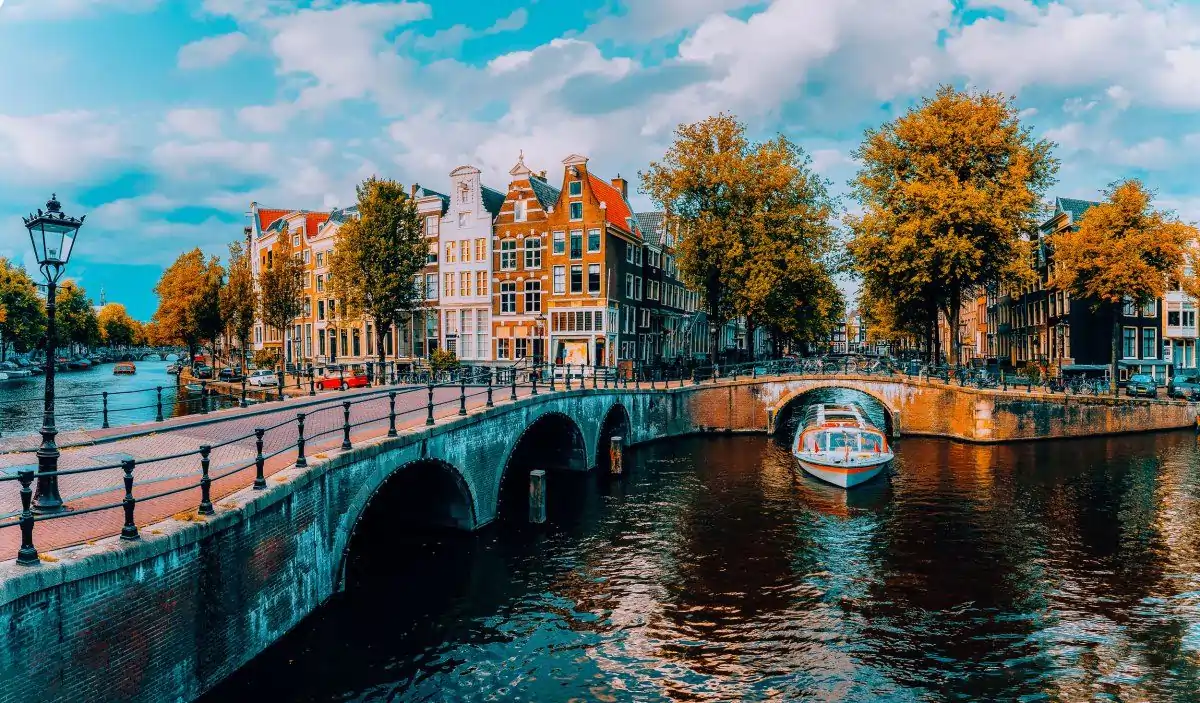
Amsterdam’s canal houses are known for:
- Narrow facades (due to historical taxation)
- Step gables, neck gables, and bell gables
- Hoisting beams are used to lift furniture and goods
- Elegant brickwork and decorative ornamentation
Warehouses
Neighbourhoods like Brouwersgracht and Prinsengracht contain historic warehouses that once stored:
- Spices
- Coffee
- Tea
- Tobacco
- Textiles
Bridges
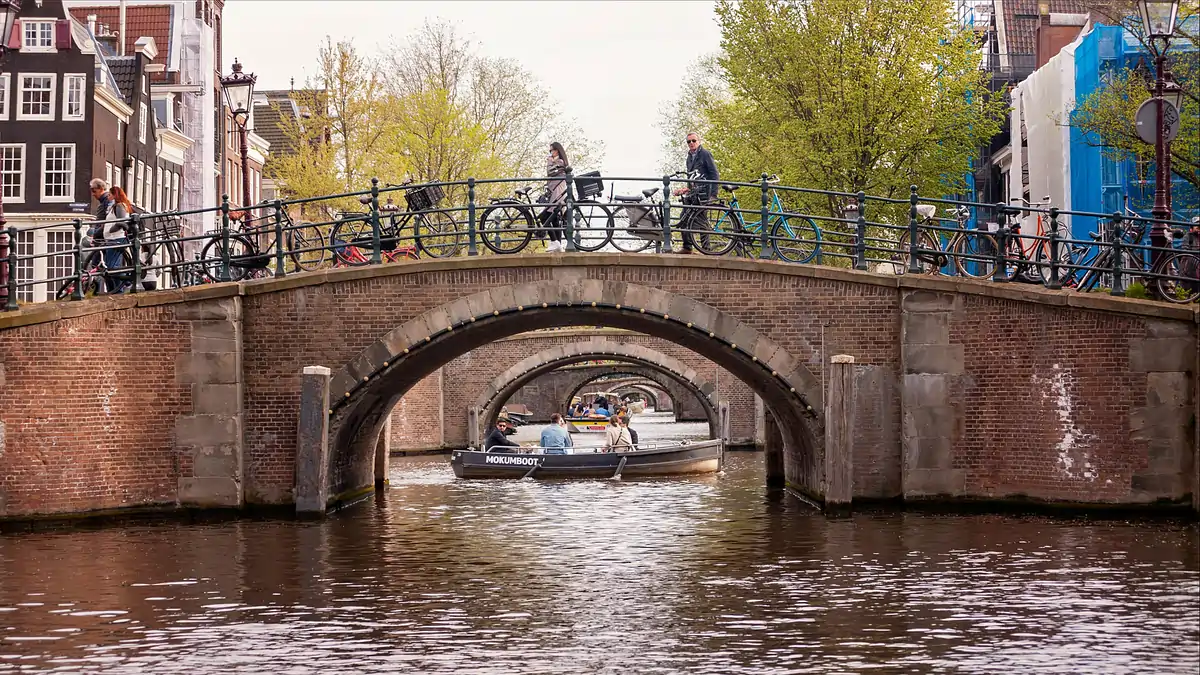
Amsterdam features more than 1,500 bridges, including:
- Magere Brug (Skinny Bridge) – the city’s most iconic drawbridge
- Torensluis – the widest bridge in Amsterdam
- Python Bridge – a modern architectural landmark
How the Canal System Actually Works (Water Engineering)
Amsterdam’s canals form a controlled water circuit:
- Water enters from the Amstel River
- Flows through the canal rings
- Exits into the IJ Bay
- Pumping stations (like Zuiderkerk) regulate levels
- Locks and sluices control salinity and flooding
This dynamic flow prevents stagnation and maintains water quality.
Canal Districts: A Breakdown of Each Area
Grachtengordel (UNESCO Core)
Home to the famous Herengracht, Keizersgracht, and Prinsengracht.
Perfect for: Golden Age architecture, museums, and luxury residences.
Jordaan
A charming former working-class district with boutiques, galleries, and picturesque bridges.
De Wallen (Old City Centre)
Includes Amsterdam’s oldest canals and medieval architecture.
Plantage
Lush and residential, featuring the Artis Zoo and botanical gardens.
De Pijp
A lively neighbourhood with smaller canals like the Boerenwetering.
Canal Cruises: The Best Ways to Explore
Cruise Types
- Classic glass-roof canal boats
- Silent electric boats
- Luxury wine-and-cheese cruises
- Small-group open boats
- Private boats (no license required)
Top Routes
- Prinsengracht → Amstel → Skinny Bridge
- Jordaan loop → Brouwersgracht
- Eastern Docklands & maritime zone

Modern Life & Innovation on the Canals
Houseboats
Over 2,500 houseboats line the canals, fully connected to electricity, sewage, and water.
Sustainable Initiatives
- Solar-powered tour boats
- Electric delivery barges
- DHL package boats, reducing road traffic
- Waste-collection boats
Floating Festivals
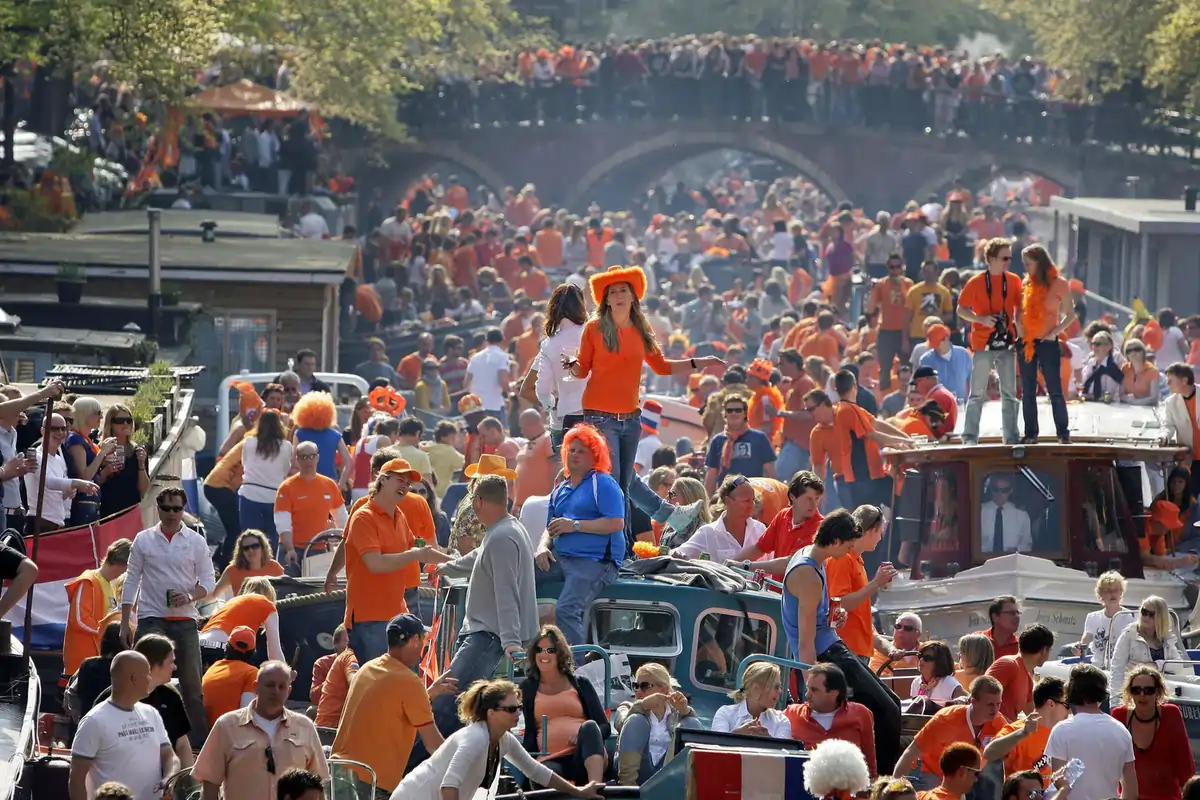
- King’s Day flotilla
- Amsterdam Pride Canal Parade
- Grachtenfestival (classical music on water)
Fun & Surprising Facts About Amsterdam’s Canals
- Between 12,000 and 15,000 bicycles are retrieved from canals yearly
- Amsterdam has more bridges than Venice
- The canals contain approximately 250 million litres of water
- The narrowest canal house is Oude Hoogstraat 22, only 2 metres wide
- The Seven Bridges View on Reguliersgracht is one of the city’s most photographed alignments
Hidden Canal Gems Most Visitors Never See
- Bloemgracht – one of Jordaan’s prettiest canals
- Zwanenburgwal – associated with Rembrandt and Spinoza
- Kloveniersburgwal – lined with aristocratic mansions
- Entrepotdok – historic warehouses near the zoo
- Brouwersgracht – widely considered Amsterdam’s most beautiful canal

Timeline of Amsterdam’s Canal History
| Year | Event |
|---|---|
| 900s | Earliest settlements along the Amstel |
| 1100s | Artificial island developed |
| 1275 | Amsterdam gains toll-free trading rights |
| 1585 | City becomes a global trading hub |
| 1613–1662 | Construction of the canal belt |
| 1800s | Major canal infill begins |
| 1920s | Modern water-pumping and flushing were introduced |
| 2010 | UNESCO World Heritage inscription |
Frequently Asked Questions
Q. How many canals does Amsterdam have?
165 canals.
Q. How deep are the canals?
Typically 2.5–3 metres deep.
Q. Why do some houses lean forward?
They were designed with a slight forward tilt to prevent lifted goods from damaging the facade.
Q. Can you swim in the canals?
Yes, but only in designated areas or during official events like the Amsterdam City Swim.
Conclusion
Amsterdam’s canals are a living masterpiece, a perfect blend of engineering, history, culture, and daily life.
From medieval peatlands to Golden Age grandeur to modern sustainability initiatives, the canals tell the full story of Amsterdam’s evolution and its enduring charm.
Top Canal Bars in Amsterdam for Drinks with a View
If you’d like to see the canals from a different angle, consider exploring the small bars hidden along the waterfront.
These spots offer relaxed views, outdoor seating, and a close look at daily life on the water.
For a curated list of the best options, take a look at our guide to canal bars in Amsterdam, featuring places that pair great drinks with standout canal views.