Table of Contents
What Is the Amsterdam Canal Ring?
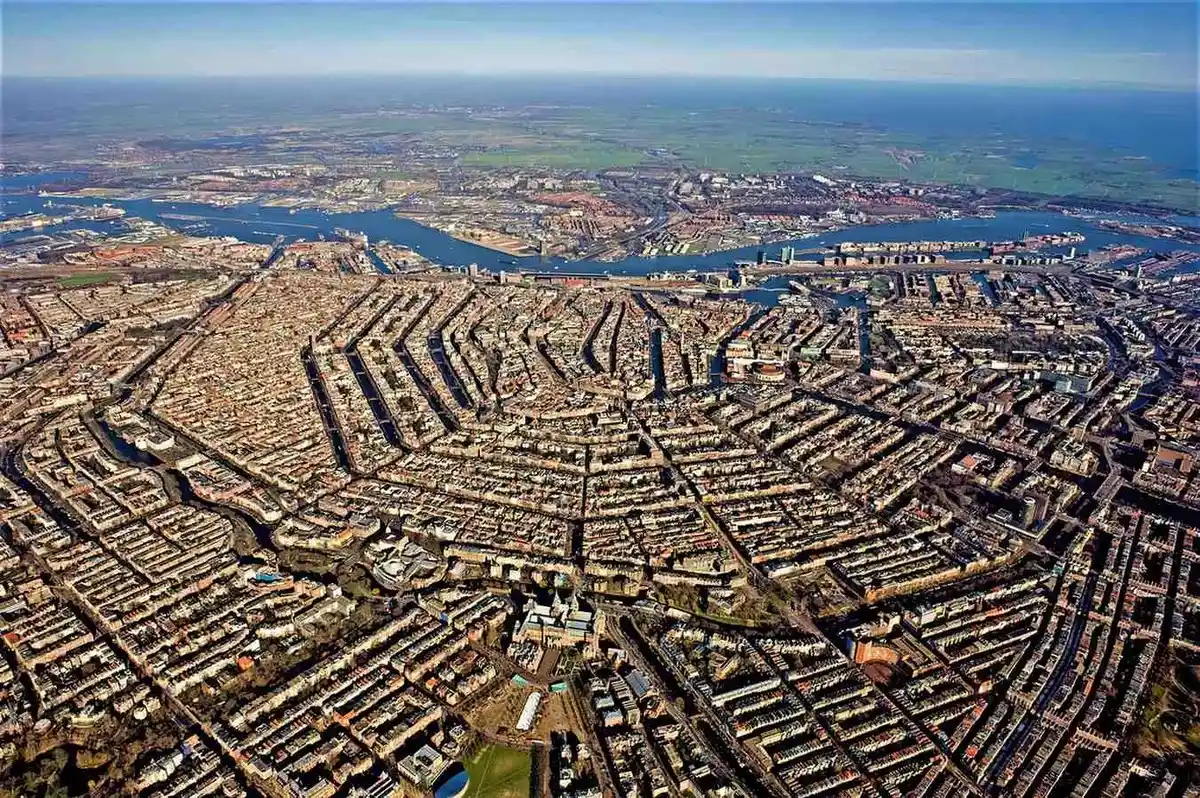
The Amsterdam Canal Ring is a seventeenth-century planned urban expansion built around three main canals: Herengracht, Keizersgracht, and Prinsengracht.
Together, these canals form the historic grachtengordel that reshaped Amsterdam during the Dutch Golden Age and remains the defining structure of the city’s historic centre.
Why Is the Amsterdam Canal Ring a UNESCO World Heritage Site?
The Amsterdam Canal Ring is a UNESCO World Heritage Site because it represents a complete and well-preserved example of early modern city planning based on water management, commerce, and controlled urban growth.
UNESCO recognises the canal ring for its coherent design, large-scale hydraulic engineering, and continued use as a living urban environment.
When Was the Amsterdam Canal Ring Added to the UNESCO World Heritage List?
The Amsterdam Canal Ring was added to the UNESCO World Heritage List in 2010 following evaluation by the World Heritage Committee.
The inscription covers the seventeenth-century canal ring area developed during Amsterdam’s period of rapid economic expansion.
Where Is the Amsterdam Canal Ring Located?
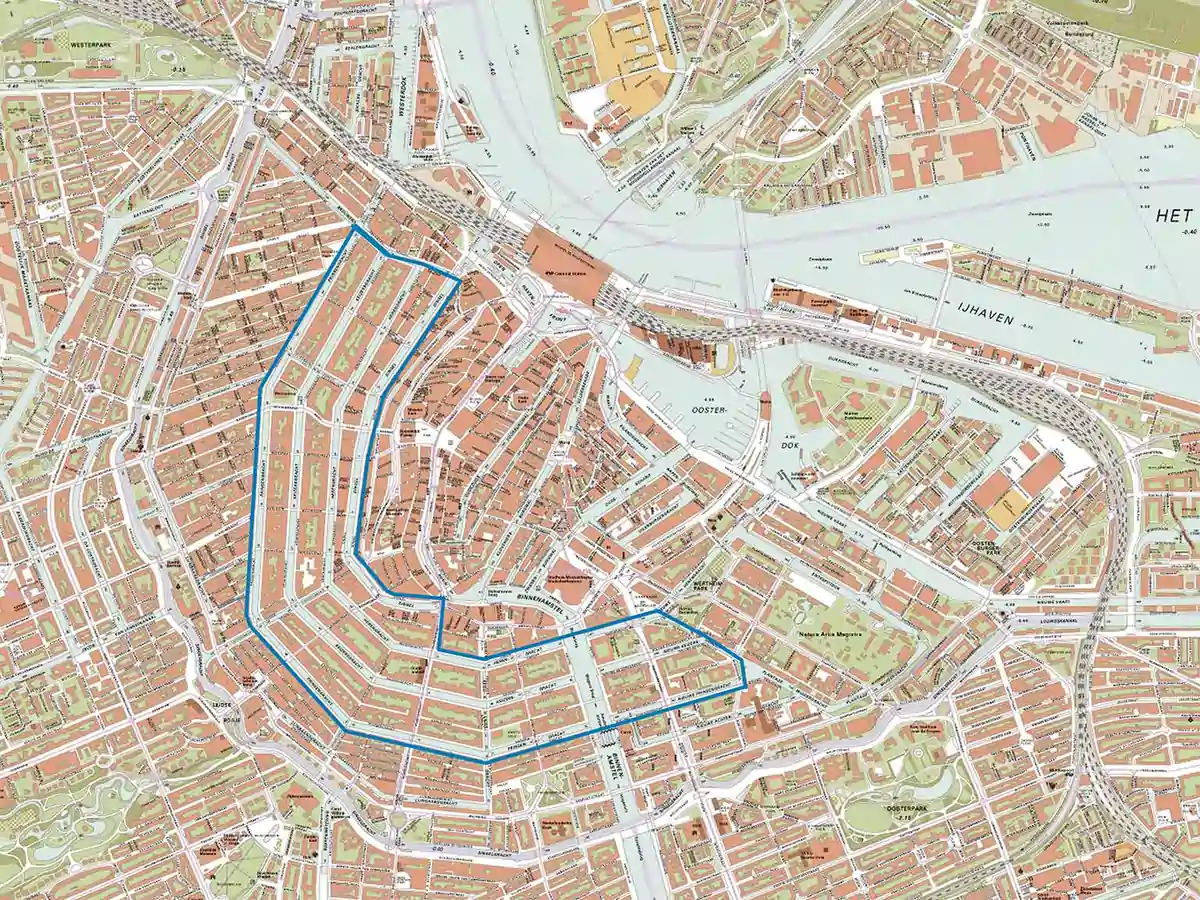
The UNESCO-listed canal ring is located in Amsterdam’s historic city centre, inside the Singelgracht.
This area includes the planned canal belt, associated streets, bridges, and plots that together define the seventeenth-century expansion of the city.
Which Canals Form the Core of the Amsterdam Canal Ring?
The core of the Amsterdam Canal Ring consists of three main canals: Herengracht, Keizersgracht, and Prinsengracht.
These canals were excavated as part of a single, unified planning project during the seventeenth century and together form the recognised grachtengordel.
What Is the Role of the Singel in Amsterdam’s Canal System?
The Singel is the oldest canal in Amsterdam and originally functioned as a medieval defensive moat.
Although it now forms the innermost canal of the historic centre, it is visually connected to the canal belt.
It predates the seventeenth-century expansion and is not considered one of the three principal canals of the canal ring.
Why Was the Canal Ring Constructed?
The canal ring was constructed to manage population growth, regulate water levels, reclaim land, and support Amsterdam’s expanding trade economy.
Its structured layout allowed for efficient transport, flood control, and the systematic development of residential and commercial properties.
What Makes the Canal Ring an Urban Planning Landmark?
The canal ring is an urban planning landmark because it applied consistent design principles across an entire city district at an unprecedented scale.
Its integration of waterways, streets, housing plots, and infrastructure influenced later city planning in Europe and beyond.
What Types of Buildings Define the Canal Ring?
The canal ring is defined by narrow canal houses built on deep plots, often featuring stepped, bell, or neck gables.
Many of these buildings combined residential, commercial, and storage functions and were designed to interact directly with the canals for transport and trade.
How Is the Amsterdam Canal Ring Used Today?
The canal ring remains a fully functional part of Amsterdam rather than a preserved historic zone.
It continues to serve as a place to live, work, and visit, with homes, offices, shops, cultural institutions, and public spaces operating within protected historic structures.
How Do Visitors Experience the Canal Ring?
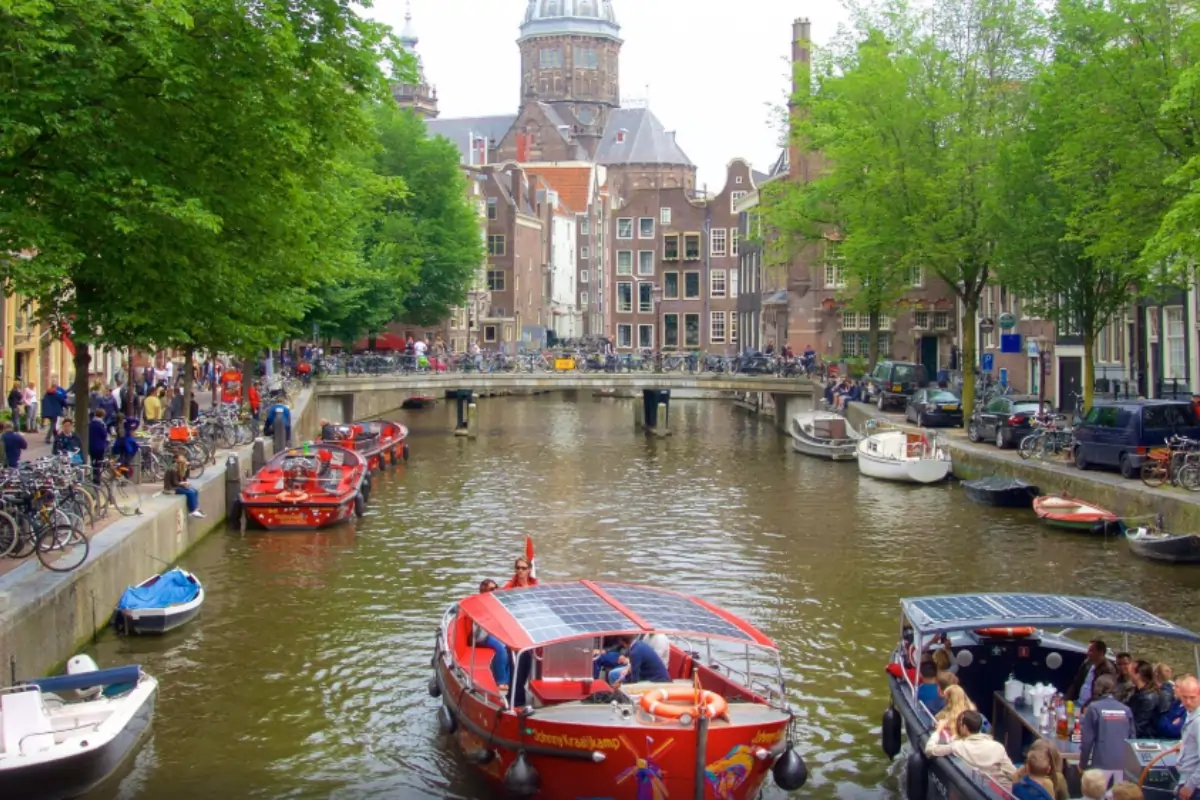
Visitors experience the canal ring by walking along the quays, cycling through the interconnected streets, or taking boat cruises along the canals.
These routes provide access to historic architecture, public spaces, and landmarks located throughout the canal belt.
What Cultural Institutions Are Located Within the Canal Ring?
The canal ring contains museums, galleries, churches, and historic houses that reflect Amsterdam’s social, economic, and cultural development.
One museum focuses specifically on the history and construction of the canals, explaining how water shaped the city’s growth.
What Responsibilities Come With UNESCO World Heritage Status?
UNESCO World Heritage status requires Amsterdam and the Netherlands to protect the canal ring’s historic character, manage development, and ensure long-term conservation.
Responsibility for maintenance and regulation remains with local and national authorities.
Can the Amsterdam Canal Ring Lose Its UNESCO Status?
The Amsterdam Canal Ring can lose its UNESCO status if conservation standards are not upheld or if development damages its integrity.
World Heritage designation is conditional and subject to ongoing monitoring and review.
Why Is the Canal Ring Central to Amsterdam’s Identity?
The canal ring defines Amsterdam’s physical structure, visual character, and historical narrative.
It reflects the city’s rise as a global trading centre and continues to shape daily life and visitor experience.
FAQ’s
Q. How many main canals make up the Amsterdam Canal Ring?
The Amsterdam Canal Ring consists of three main canals: Herengracht, Keizersgracht, and Prinsengracht.
Q. Is the Singel part of the Amsterdam Canal Ring?
The Singel is not one of the three main canals of the canal ring. It predates the seventeenth-century expansion and originally served as a defensive moat.
Q. Is the entire city centre of Amsterdam a UNESCO World Heritage Site?
No, only the seventeenth-century canal ring area inside the Singelgracht is included on the UNESCO World Heritage List.
Q. When were the main canals of the canal ring built?
The three main canals were constructed during the seventeenth century as part of Amsterdam’s planned urban expansion.
Q. Are people still allowed to live in canal houses?
Yes, canal houses remain in active use as private residences, offices, and mixed-use buildings under preservation regulations.
Q. Can visitors freely explore the canal ring?
Yes, the canal ring is fully accessible and functions as a normal part of the city without entry restrictions.
Q. Is the canal ring Amsterdam’s only UNESCO-recognised site?
No, Amsterdam has additional UNESCO-recognised heritage related to historic defensive infrastructure outside the canal ring area.
Curious About Amsterdam’s Canal Belt and Surrounding Area?
If you want to explore beyond the core history and UNESCO significance of the Amsterdam Canal Ring, there is a wider network of waterways and scenic streets known as the Amsterdam Canal Belt.
This canal belt winds through the city centre and historic neighbourhoods, offering picturesque views, charming bridges, and a pathway to many cultural sights, hotels, cafes, and galleries around the city.
The canal belt extends the heritage experience by connecting everyday life, local attractions, and places to stay along some of Amsterdam’s most iconic water routes.