Table of Contents
What Is the Rembrandt House Museum in Amsterdam?
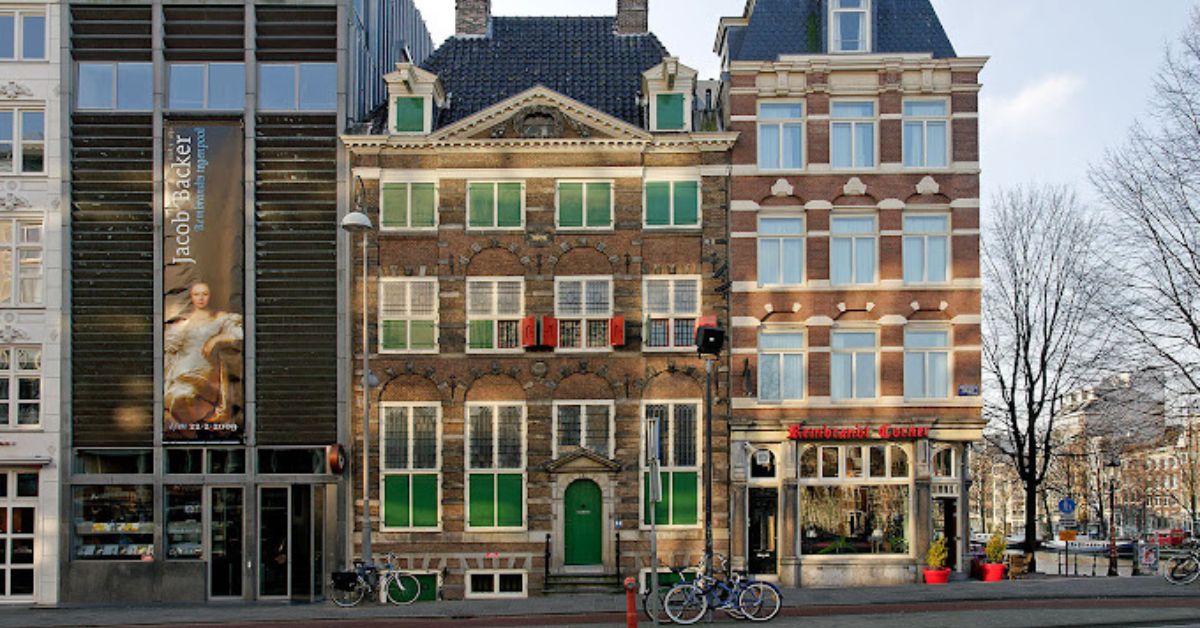
The Rembrandt House Museum is a historic house museum located in central Amsterdam, preserved as the former residence and studio of Rembrandt van Rijn.
Rembrandt lived and worked in this building during the height of his career in the seventeenth century.
Today, the museum presents a carefully restored interior that reflects how the house would have appeared during his occupation, offering insight into his working methods, daily life, and the cultural environment of the Dutch Golden Age.
The museum functions as both a biographical site and an educational space focused on painting, printmaking, and artistic practice in Rembrandt’s time.
Who Was Rembrandt van Rijn?
Rembrandt van Rijn (1606 to 1669) was a Dutch painter and printmaker widely regarded as one of the most important artists in European art history.
He is best known for his portraits, historical scenes, biblical subjects, and self-portraits.
His work is characterised by strong contrasts between light and dark, detailed surface textures, and a focus on emotional expression rather than idealised beauty.
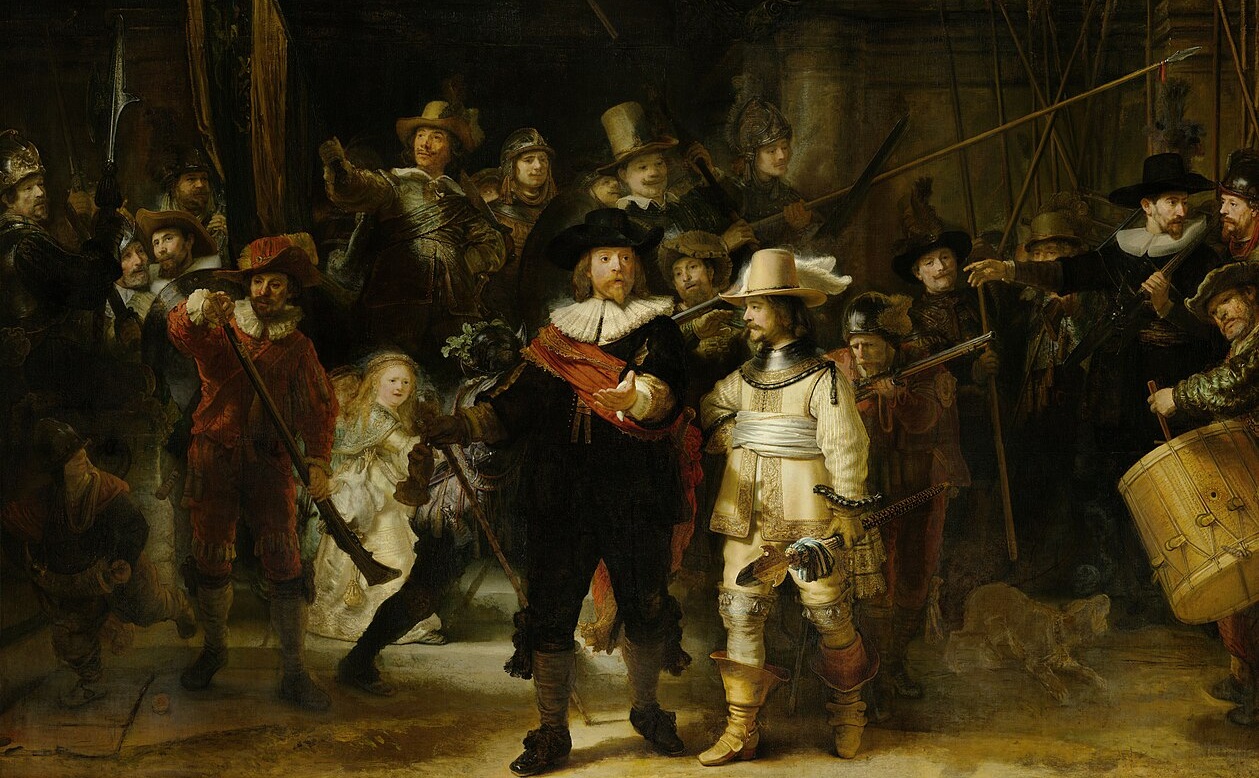
Among his most recognised works are The Night Watch, The Jewish Bride, and an extensive series of self-portraits that document different stages of his life.
Why Did Rembrandt Live in This House?
In 1639, Rembrandt purchased the house on Jodenbreestraat after achieving financial success as a portrait painter.
The building served as both his family home and professional workspace.
He maintained a large studio, trained pupils, and assembled an extensive collection of artworks, prints, and objects used as visual references.
Financial difficulties later led to his bankruptcy in 1656. As a result, the house and its contents were sold, and Rembrandt left the property.

How Did the House Become a Museum?
The house was identified as Rembrandt’s former residence in the nineteenth century and purchased by the City of Amsterdam in the early twentieth century.
A detailed restoration was carried out using archival inventories and historical descriptions.
The building reopened as the Rembrandt House Museum in 1911, reconstructed to reflect its seventeenth-century appearance as accurately as possible.
What Can You See Inside the Rembrandt House Museum?
What Is Shown in Rembrandt’s Studio?
The studio has been recreated with period-appropriate furniture, easels, pigments, and tools.
This space demonstrates how Rembrandt worked with natural light and prepared materials for large-scale paintings.
What Happens in the Etching Workshop?
The museum includes a functioning etching workshop where demonstrations are held regularly.
These sessions explain how Rembrandt produced his prints using copper plates, ink, and a printing press, highlighting his importance as a printmaker as well as a painter.
What Are the Period Rooms?
Several rooms are furnished to reflect domestic life in seventeenth-century Amsterdam.
These spaces illustrate how Rembrandt lived, taught students, and stored his collection of objects and artworks.
Are There Temporary Exhibitions?
The museum hosts rotating exhibitions focusing on Rembrandt, his pupils, and artists working in the same period.
These exhibitions often explore specific techniques, themes, or historical contexts related to his work.

Which Artistic Techniques Is Rembrandt Known For?
Rembrandt’s work is commonly associated with the following techniques:
- Chiaroscuro: Strong contrasts between light and shadow to create depth
- Impasto: Thick layers of paint applied for texture
- Expressive realism: Faces and figures shown with psychological intensity rather than idealised features
These methods influenced generations of artists across Europe.
Which Important Works Were Created While He Lived Here?
During his time in this house, Rembrandt produced several major works, including:
- The Night Watch (1642)
- The Hundred Guilder Print, regarded as one of the most important etchings ever made
- Numerous self-portraits documenting changes in his style and circumstances
Why Is the Rembrandt House Museum Important?
The museum provides direct insight into Rembrandt’s working environment rather than displaying his paintings alone.
It helps explain how Dutch Golden Age artists trained, prepared materials, and operated workshops, making it a key site for understanding seventeenth-century art production.
Where Is the Rembrandt House Museum Located?
The Rembrandt House Museum is located at:
Jodenbreestraat 4, Amsterdam, Netherlands
It sits near Waterlooplein in Amsterdam’s historic centre.
How Do You Get to the Rembrandt House Museum?
- Tram: Line 14 to Waterlooplein
- Metro: Lines 51, 53, and 54 to Waterlooplein Station
The museum is a short walk from the station.
What Are the Opening Hours and Ticket Prices?
Opening hours
Monday to Sunday: 10:00 to 18:00
Ticket prices
- Adults: €21.50
- Young adults aged 18 to 25: €15.00
- Children (6 to 17 years): €8.00
- Children under 6 years: Free entry
Tickets can be purchased in advance through the official Rembrandt House Museum website.
Booking ahead is recommended during busy periods to secure preferred entry times.
What Should Visitors Know Before Going?
Arriving earlier in the day helps avoid peak visitor periods. An audio guide is recommended for context on the rooms, tools, and demonstrations.
Nearby attractions include Rembrandtplein and the Rijksmuseum, where many of Rembrandt’s paintings are displayed.
FAQs
Q. Are guided tours available at the Rembrandt House Museum?
Yes. Guided tours and audio guides are available in multiple languages.
Q. How long does a visit usually take?
Most visitors spend between 1 and 1.5 hours inside the museum.
Q. Is there a café or restaurant on site?
No. Numerous cafés and restaurants are located nearby, particularly around Rembrandtplein.
Q. Is photography allowed inside the museum?
Photography is permitted, but flash and tripods are not allowed.
Q. What other museums are close to the Rembrandt House Museum?
The Amsterdam Museum, Van Gogh Museum, and FOAM Photography Museum can be reached easily by tram.
What Other Museums Can You Visit in Amsterdam?
The Rembrandt House Museum is part of a wider network of museums across Amsterdam that cover art, history, photography, science, and modern culture.
Visitors interested in expanding their museum itinerary can explore a full overview of major and smaller institutions through this guide to museums in Amsterdam, which includes information on collections, locations, and practical planning considerations.
This helps place the Rembrandt House Museum within the broader cultural landscape of the city and supports efficient planning for visitors with limited time.