ARTIS Amsterdam Royal Zoo, officially Natura Artis Magistra, meaning “Nature is the teacher of the arts”, is one of the most historic and culturally important attractions in the Netherlands.
Founded in 1838, it has grown from a small zoological society into a world-class nature park, blending wildlife, botanical beauty, museums, science, conservation and education into one immersive experience.
Modern Amsterdam continues to evolve, but ARTIS remains a timeless sanctuary: a place where nature, history and curiosity intersect.
This evergreen guide gives you everything you need to explore ARTIS in depth: its story, attractions, hidden corners, and why it remains relevant year after year.
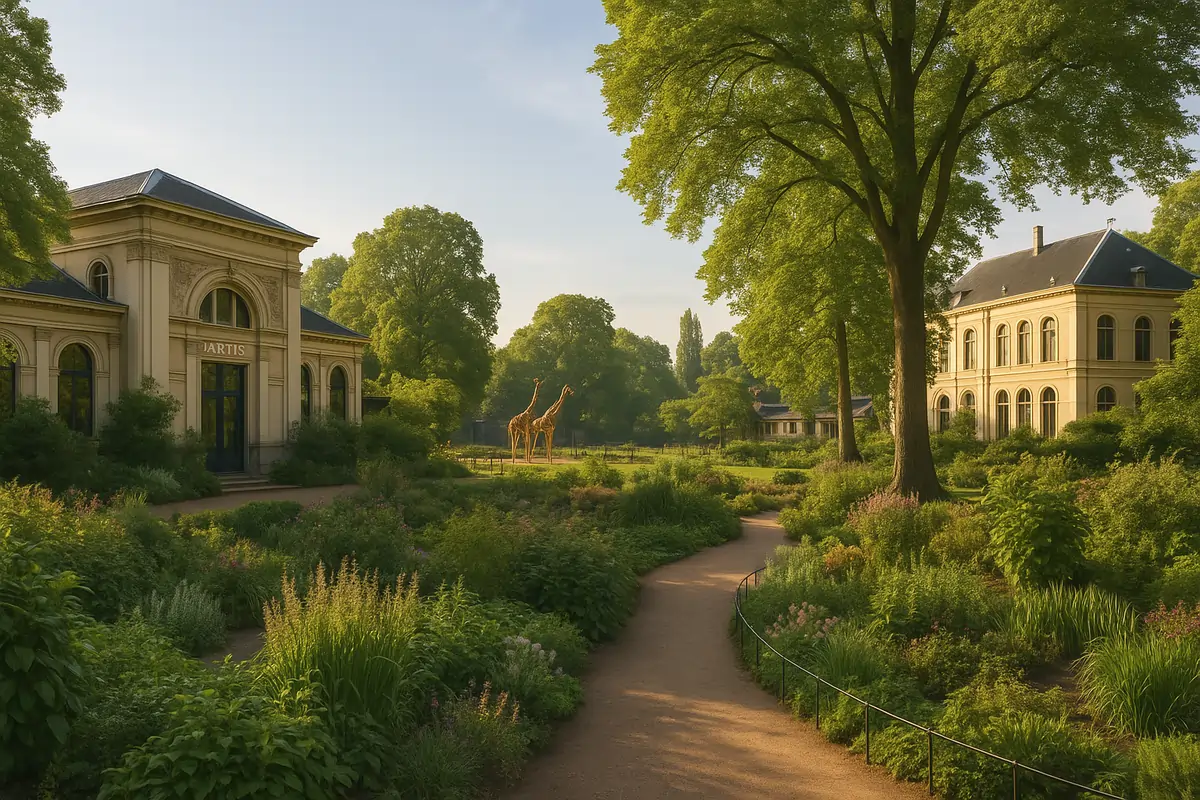
Table of Contents
A Living Legacy: The Origin and Purpose of ARTIS
ARTIS began with an ambitious idea: bring the people of Amsterdam closer to the natural world.
Founded on 1 May 1838 by three visionaries: bookseller Westerman, stockbroker Werlemann, and watchmaker Wijsmuller, it quickly became one of Europe’s most respected zoological societies.
By 1852, its scientific value earned it the right to add the title “Royal” to its name.
Today, while it has expanded its facilities and evolved with modern conservation standards, its mission remains unchanged: connect people to nature through knowledge, discovery and wonder.
Explore Around 900 Animal Species
As the oldest zoo in the Netherlands, ARTIS houses a rich collection of wildlife, featuring around 900 animal species from across the globe.
Its layout encourages a natural flow between continents and habitats, allowing visitors to experience:
-
- African savannah animals such as giraffes, zebras and kudus
- Playful primates, including gibbons, macaques and tamarins
- Aquatic life in the aquarium and sea-lion zones
- Rare reptiles, amphibians and nocturnal species
- A vibrant insectarium showcasing the world of tiny creatures
ARTIS focuses heavily on responsible care, naturalistic enclosures, and biodiversity research, which set it apart from many traditional zoos.
A Botanical Garden in Its Own Right
Few visitors realise that ARTIS is also a fully recognised botanical garden, containing:
-
- More than 700 tree specimens
- Over 200 unique species, including monumental trees older than the zoo itself
- Landscaped theme gardens such as Japanese, Dutch and heritage arboretum spaces
- A carefully curated environment designed to support both wildlife and plant diversity
Whether in spring bloom, summer greenery, autumn colour or winter stillness, the ARTIS gardens provide a seasonal rhythm that makes the zoo worth revisiting year after year.

Museums, Science and Exploration in One Place
ARTIS offers far more than animal exhibits. Its museums and educational experiences deepen the understanding of life on Earth.
The Planetarium
A 628-640 square-metre dome where visitors can journey through space, explore cosmic phenomena and experience immersive astronomy programs.
Micropia
The world’s first museum dedicated entirely to microbes, revealing the invisible organisms that shape our bodies, ecosystems and planet.
Geological Museum
Displays ancient fossils, minerals and prehistoric remains, tracing Earth’s evolution over billions of years.
Zoological Museum
One of the largest natural history collections in the Netherlands, exploring species diversity, evolution and ecological relationships.
Together, these attractions transform ARTIS into a centre of science, learning and environmental awareness.
Gardens, Paths and Quiet Corners: The Hidden ARTIS
Beyond the major attractions, ARTIS rewards slow exploration. Visitors often discover:
-
- Shaded walking paths lined with historic trees
- Quiet benches are perfect for reflection
- Seasonal gardens that change character throughout the year
- Lesser-known areas like the butterfly house or small mammal zones
- Architectural details from the zoo’s 19th-century origins
These hidden corners give ARTIS an atmosphere unlike most city zoos: peaceful, reflective and deeply connected to nature.
Conservation, Responsibility and the Challenges of a Modern Zoo
Being a world-class zoo in the 21st century is not simple. ARTIS faces the ongoing challenge of:
-
- Meeting evolving animal-welfare standards
- Modernising enclosures and expanding habitats
- Competing internationally for conservation funding
- Balancing visitor experience with environmental responsibility
- Maintaining historical buildings while upgrading facilities
Major projects such as new habitats, renovations, and a proposed underground parking facility highlight ARTIS’s continued commitment to the future.
Growth takes time, money and constant innovation, but ARTIS has remained resilient for nearly two centuries.

Practical, Evergreen Information for Visitors
This guide is crafted to remain relevant year after year:
Location
ARTIS is located in the leafy Plantage district of Amsterdam, easily accessible via tram, metro and bike.
Best Time to Visit
Early morning or late afternoon offers calmer crowds and more active animals.
Visit Duration
3–5 hours is ideal for a full experience, including museums and garden walks.
Ideal for
Families, students, nature lovers, photographers, science enthusiasts, slow travellers, and anyone seeking a peaceful break inside the city.
Annual Events & Seasonal Themes
ARTIS offers recurring educational programs, astronomy shows and seasonal nature events that stay consistent each year.
This ensures the article remains evergreen even as details evolve.
Why ARTIS Remains Essential to Amsterdam
ARTIS is not just a zoo. It is:
-
- A botanical garden
- A science hub
- A historic monument
- A conservation centre
- A place of quiet beauty in the heart of the city
It is also officially recognised as Window 26 of the Canon of Amsterdam, marking its deep cultural importance.
No matter how Amsterdam grows or changes, ARTIS endures, offering the same message it has carried since 1838: nature teaches, inspires and connects us all.
FAQs
1. What makes ARTIS Amsterdam Royal Zoo unique?
ARTIS is the Netherlands’ oldest zoo and combines wildlife exhibits with botanical gardens, a planetarium, museums, and the world-renowned Micropia microbe museum.
2. How many animals and species are at ARTIS?
ARTIS is home to around 900 animal species, ranging from African savannah mammals to aquatic life, reptiles, primates, insects and rare birds.
3. Is ARTIS also a botanical garden?
Yes. ARTIS is an officially recognised botanical garden with more than 700 trees, 200+ plant species, and multiple themed gardens, some featuring trees older than the zoo itself.
4. How long do you need to visit ARTIS Zoo?
Most visitors spend 3 to 5 hours, but a full day allows time to explore the planetarium, Micropia, the museums, and the quiet garden zones.
5. What museums are inside ARTIS?
ARTIS includes the Planetarium, Micropia, the Geological Museum, and the Zoological Museum, offering immersive science and natural history experiences.
6. Is ARTIS suitable for children and families?
Absolutely. ARTIS offers kid-friendly exhibits, educational shows, playground areas, interactive learning zones and safe pathways throughout the park.
7. What’s the best time of year to visit ARTIS Amsterdam?
ARTIS is an evergreen attraction. Spring and summer offer lush gardens, while autumn colours and winter quiet make for peaceful visits year-round.
8. Where is ARTIS located, and how do you get there?
ARTIS is located at Plantage Kerklaan in Amsterdam’s Plantage district and is easily reachable by tram, metro, bike, or on foot from central Amsterdam.
9. What is Micropia at ARTIS?
Micropia is the world’s first microbe museum, revealing the invisible life forms that impact our bodies, ecosystems and daily life through interactive exhibits.
10. Why is ARTIS part of the Canon of Amsterdam?
ARTIS is Window 26 in the Canon of Amsterdam for its cultural heritage, scientific contributions, and its nearly 200-year role in connecting people to nature.
Continue Your Journey Through Science and Culture
ARTIS is more than a zoo, it’s a gateway to learning, discovery and Amsterdam’s rich scientific heritage.
If you’re eager to explore more cultural spaces, interactive exhibits and world-class museums, be sure to read our complete guide to the best museums in Amsterdam.