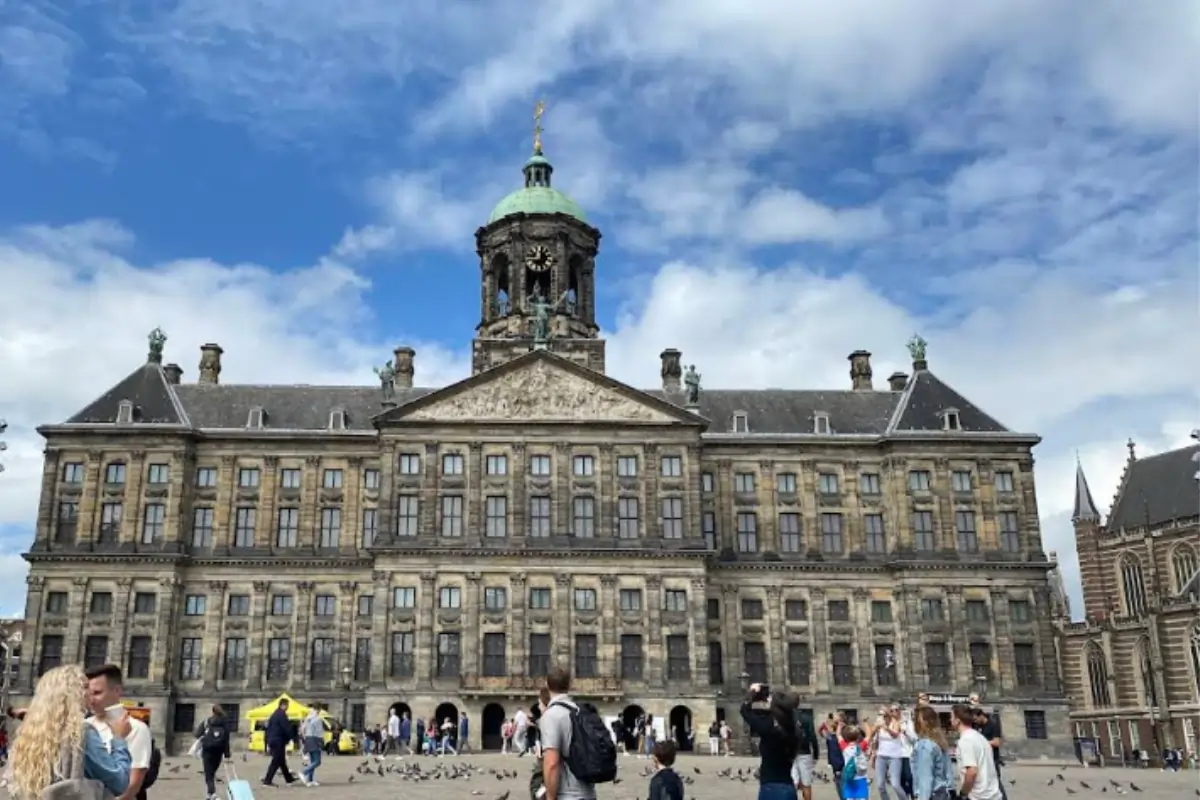
The Royal Palace Amsterdam, known in Dutch as Koninklijk Paleis Amsterdam and often referred to as Paleis op de Dam, is one of the most important historic buildings in the Netherlands.
Located on the west side of Dam Square, the palace has served civic, political, and ceremonial roles for more than 350 years.
Today, it continues to function as an official palace for the Dutch monarch and remains a major visitor attraction.
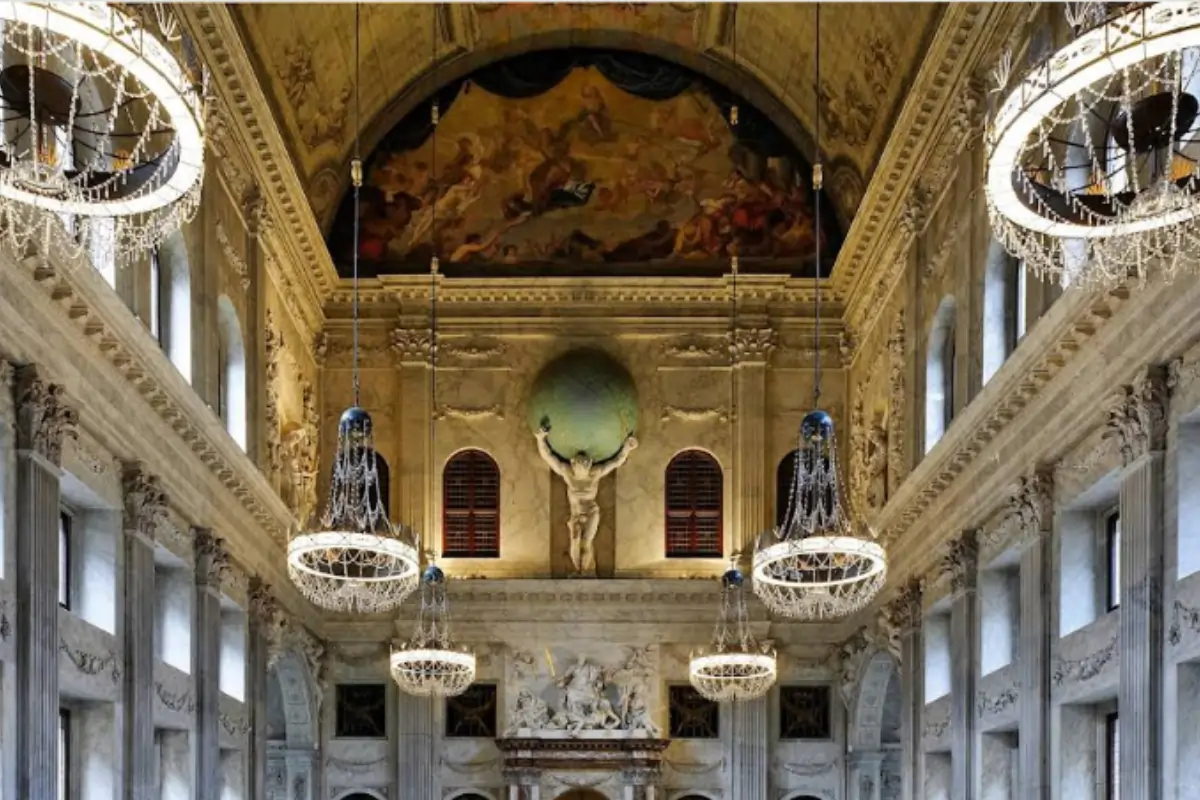
Table of Contents
Why the Royal Palace Matters
The Royal Palace represents key moments in Dutch history.
It reflects civic confidence during the seventeenth century, the influence of French rule in the nineteenth century, and the traditions of the modern Dutch monarchy.
The palace hosts royal receptions, state visits, award ceremonies, and cultural events that connect historical heritage with contemporary public life.
Alongside the Nieuwe Kerk and the National War Memorial, it shapes Dam Square as a cultural and ceremonial centre of Amsterdam.
History of the Royal Palace Amsterdam
Built to Express Civic Power
Construction began in 1648, at a time when Amsterdam was one of the wealthiest and most influential trading cities in Europe.
Architect Jacob van Campen designed the building in a classical style that represented balance, order, and civic ambition.
It officially opened in 1655 as the city hall and was considered one of the grandest secular buildings of its time.
Transformation into a Royal Residence
The building changed its purpose in the early nineteenth century.
Louis Bonaparte, appointed King of Holland by his brother Napoleon, moved into the former city hall and converted it into his royal residence in 1808.
He added a balcony for public appearances, which remains in place today.
After Napoleon’s defeat, the Netherlands restored its monarchy.
Prince William I adopted the palace for royal use, and the city later transferred full ownership to the national government.
The building then became an official state palace.
Architecture and Artistic Highlights
Classicist Design and Symbolic Decoration
The Royal Palace is a prime example of Dutch Classicist architecture.
The layout follows classical rules of symmetry, with decorative elements that represent civic virtues, global trade, and the ideals of justice.
The structure was built on thousands of wooden piles, a foundation method still used across Amsterdam due to its soft ground conditions.
Interior Treasures
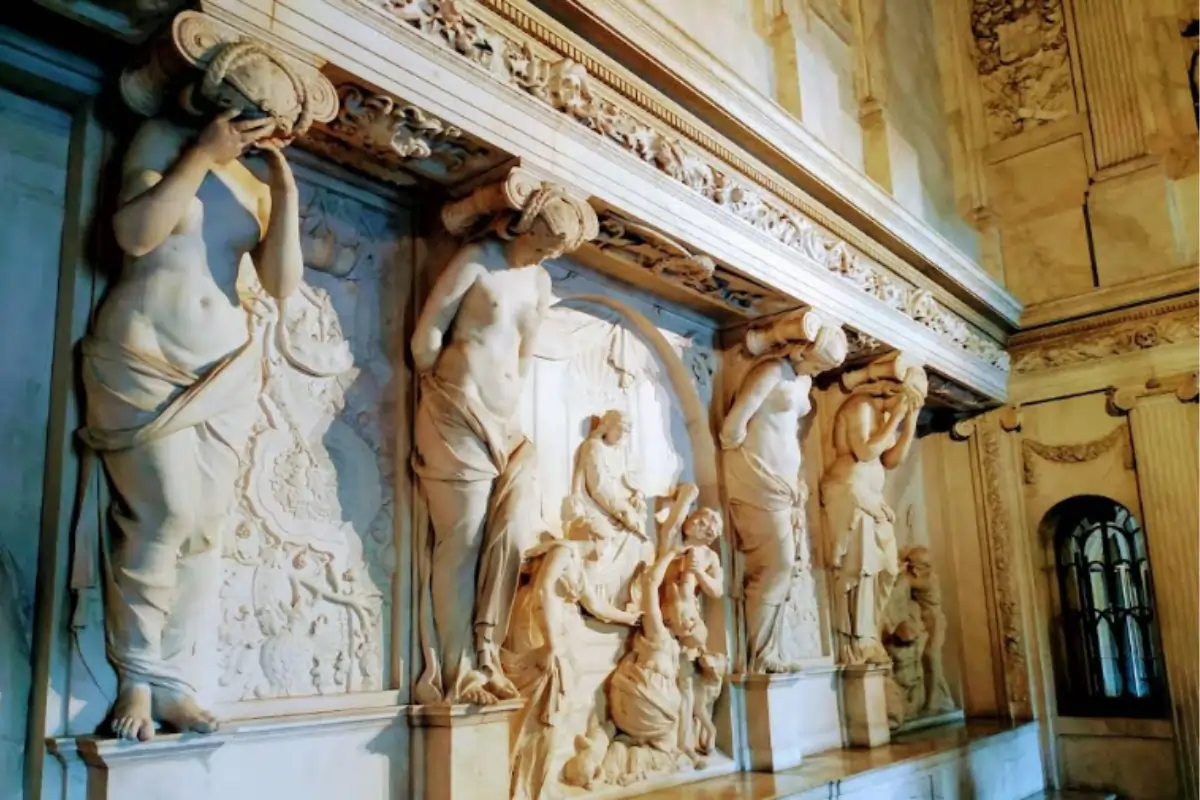
Visitors can admire a rich collection of sculptures, paintings, and decorative works.
The Citizens Hall is the most impressive interior space, known for its scale, natural light, and symbolic floor maps that depict the known world during the seventeenth century.
Many of the furnishings date from the Napoleonic era and give insight into royal ceremony and court culture.
Visiting the Royal Palace Today
Official Use and Public Access
The Royal Palace is one of the three palaces placed at the disposal of the Dutch monarch.
It is used for state visits, royal receptions, and the New Year gathering.
When it is not in official use, the palace opens to the public with exhibitions that explore its history and architectural significance.
Ticketing and Tours
Visitors can buy tickets on site or online. Guided tours are available and offer detailed explanations of the interiors, artistic highlights, and historical background.
Ticket prices vary by age group and type of visit. Opening hours are usually from 10:00 to 17:00, but visitors should check current schedules before arriving.
How the Palace Relates to Amsterdam’s Wider History
Dam Square as Civic Heart
Dam Square began as a dam on the Amstel River and grew into the main public space of Amsterdam.
It has long served as a location for trade, civic events, and gatherings.
With the Royal Palace, the Nieuwe Kerk, and the National War Memorial surrounding it, the square continues to serve as the symbolic centre of the city.
FAQ’s
Q. What was the palace before it became a royal residence?
It was originally the city hall of Amsterdam, built during the seventeenth century to represent civic pride and administrative authority.
Q. Who designed the Royal Palace?
Jacob van Campen designed the palace in a Dutch Classicist style inspired by Renaissance architecture.
Q. Can the public visit the palace?
Yes. The palace is open to the public whenever not in use for official ceremonies. Exhibitions and guided tours are available.
Q. What events take place at the palace?
State visits, royal receptions, award ceremonies, and other official gatherings are held throughout the year.
Q. What interior highlights should visitors look for?
The Citizens Hall, classical sculptures, large-scale paintings, and imperial furniture are major attractions.
What Other Historic Buildings in Amsterdam Should You Explore Next?
Visitors who want to learn more about Amsterdam’s architectural history can continue with Frederiksplein and the former Palace of Volksvlijt.
This location once hosted a remarkable glass and iron structure that reflected the ambitions of nineteenth century Amsterdam.
It stood as a centre for exhibitions, concerts, and public activity.
Although the original building no longer survives, the square remains an important site for understanding how the city developed culturally and socially.