Amsterdam’s oldest pubs offer a preserved slice of local history.
Many date back centuries and once welcomed sailors, merchants, distillers, and neighbourhood regulars.
Today, they continue to serve guests in wood-lined interiors, candlelit corners, and classic Dutch settings.
If you want a genuine sense of Amsterdam tradition, these long-standing brown cafés remain among the best places to experience it.

Table of Contents
What Are the Oldest Pubs in Amsterdam?
The table below lists historic pubs, their approximate founding dates, locations, and key characteristics.
Some dates are well documented, while others rely on architectural evidence or early trading records.
| Pub | Since | District | Highlights |
|---|---|---|---|
| Café Karpershoek | 1606 | Martelaarsgracht | Oldest licensed bar, sand floors |
| Café Chris | 1624 | Jordaan | Classic neighbourhood pub |
| Café De Druif | 1631 | Centre | Golden Age tasting room |
| Papeneiland | 1642 | Prinsengracht | Pie and notable canal views |
| De Drie Fleschjes | 1650 | Centrum | Historic jenever barrels |
| Café Hoppe | 1670 | Spui | Known for skimmed beer pours |
| Wijnand Fockink | 1679 | Dam Square | Traditional liqueur tasting |
| In de Wildeman | 1690 | Centre | Former distillery, large beer list |
| Café ‘t Smalle | 1780s | Jordaan | Stained glass and canal terrace |
| Café de Dokter | 1798 | Centre | Smallest pub with medical antiques |
| In ‘t Aepjen | Building from 1519 | Zeedijk | Wooden structure with sailor folklore |
| Café ‘t Mandje | 1927 | Zeedijk | Historic LGBTQ+ friendly venue |
Why Are These Pubs Considered Historic?
These establishments have lasted through major shifts in Amsterdam’s development while keeping much of their traditional character.
Many began as inns or tasting rooms connected to maritime trade, local distilleries, or neighbourhood communities.
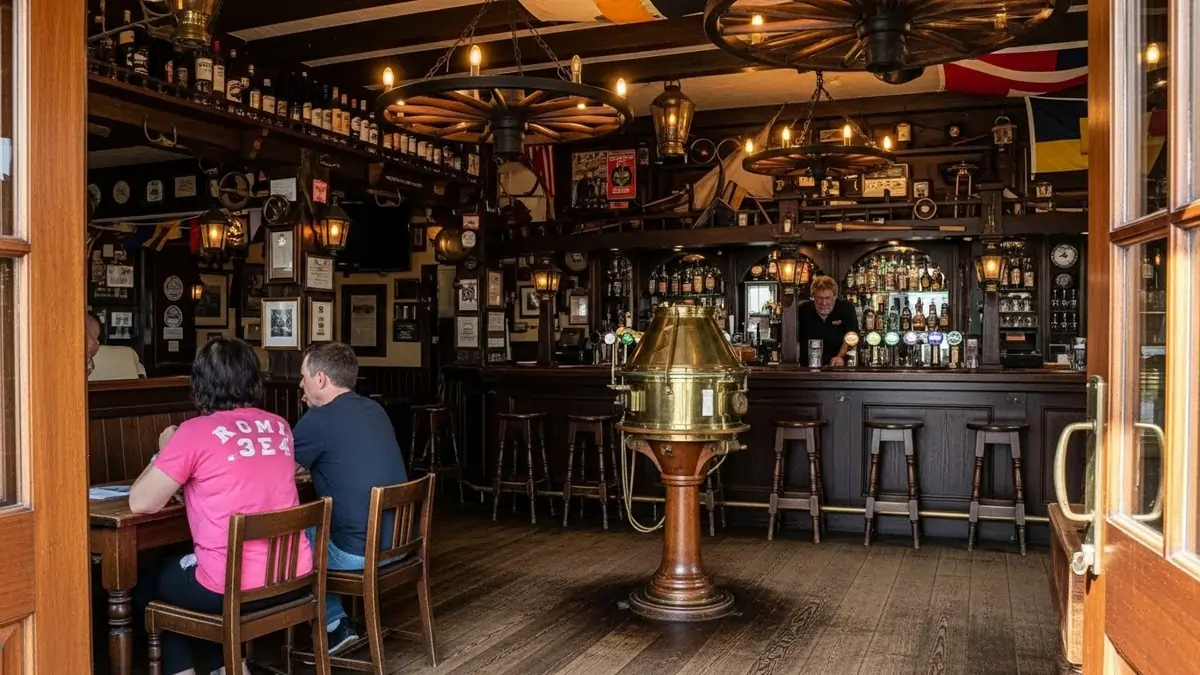
Elements such as wooden beams, sanded floors, stained glass, and barrel-lined walls reflect their origins.
Which Historic Pubs Should You Visit First?
Here is an overview of the most distinctive venues.
Café Karpershoek
Dating to 1606 through licensing records, this is the city’s oldest formally recognised pub.
The sand-covered floor follows a centuries-old method used to absorb spills.
Café Chris
Established in 1624 in the Jordaan district, this location provides a simple and very traditional pub experience.
Café De Druif
A preserved tasting room that still mirrors its seventeenth-century origins through barrels, woodwork, and classic jenever service.
Papeneiland
Known for canal views and apple pie. Local stories speak of a historic tunnel to a nearby hidden church, though this cannot be verified with certainty.
De Drie Fleschjes
A historic tasting room behind Dam Square. Guests sample jenever from a collection of traditional barrels.
Café Hoppe
This seventeenth-century pub is known for beer poured to the top of the glass and wiped level with a single stroke.
Wijnand Fockink
A tasting room that still uses the traditional sip-first method, in which guests lean forward to taste without lifting the glass.
In de Wildeman
Once a distillery, now a respected beer bar offering a large selection for enthusiasts.
Café ‘t Smalle
A visually attractive location featuring stained glass and a canal-side terrace.
Café de Dokter
Opened in 1798 by a surgeon. Its compact size and antique decor give it a distinct identity.
In ‘t Aepjen
Housed in one of Amsterdam’s oldest wooden buildings.
Sailor folklore and historic architecture contribute to its reputation, though the exact year it became a pub is uncertain.
Café ‘t Mandje
Opened in 1927 by Bet van Beeren. Recognised for its welcoming stance toward LGBTQ+ guests long before such venues became common.
Memorabilia from decades of community history fills the interior.
What Defines a Traditional Brown Café?
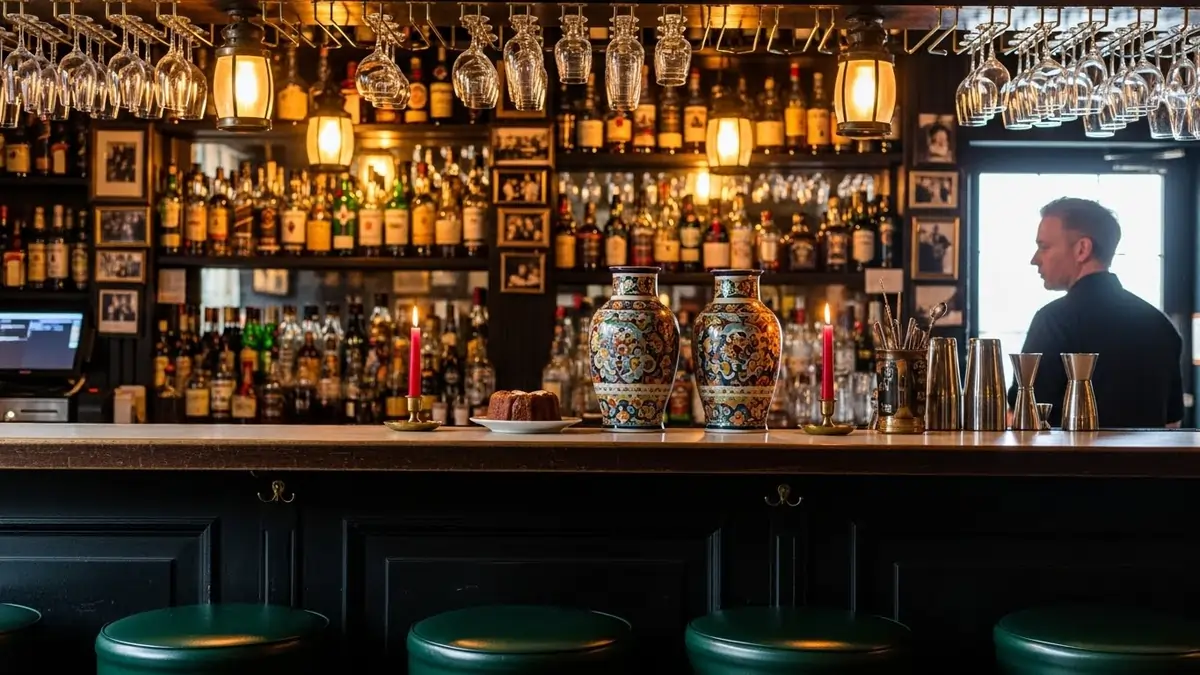
A brown café is a long-standing Dutch pub known for dark wood, warm lighting, and a relaxed atmosphere.
Many developed their appearance over many generations, which is why they feel aged and familiar.
Was There an Owl Lamp Warning System at Café ‘t Mandje?
No verifiable evidence supports this claim.
Café ‘t Mandje is well documented through archives, interviews, museum records, and restoration reports.
None references a lamp used to signal Nazi raids. At the same time, Bet van Beeren is celebrated for protecting her patrons and fostering an inclusive environment.
The owl story cannot be confirmed and has been removed to maintain accuracy.
Can You Combine Historic Pub Visits With Regional Day Trips?
Yes, historic pub visits pair well with nearby excursions.
Here are examples that fit comfortably into a single day:
- Morning at Zaanse Schans, evening jenever at Café De Druif
- Afternoon in Haarlem, late drink at Café Chris
- Spring visit to Keukenhof, evening pie and beer at Papeneiland
Return to the city by GVB tram, ferry, or a rental bike from locations near Jordaan or Zeedijk.
What Tips Should Visitors Know?
- Best time to visit: afternoons for quieter service, evenings for a lively crowd
- Payment: cards are widely accepted, but small cash amounts can be useful
- Recommended orders: Dutch beers, jenever, or the apple pie at Papeneiland
- Language: staff often speak English and enjoy discussing the history of their pub
Ready to Explore the Oldest Pubs in Amsterdam?
These historic locations provide direct insight into Amsterdam’s past.
From early inns to tasting houses and long-standing neighbourhood cafés.
Each venue carries a legacy that continues to shape the city’s drinking culture.
FAQ
Q. Which pub is truly the oldest in Amsterdam?
It depends on the criteria. Café Karpershoek is the oldest licensed bar with a confirmed license from 1606. In ‘t Aepjen occupies a building from around 1519, but documentation of when it began operating specifically as a pub is unclear.
Q. Are these pubs still popular with local residents?
Yes. Many long-standing brown cafés attract both local regulars and visitors. Locations in Jordaan, Zeedijk, and around Dam Square often have a consistent mix of both.
Q. Do these pubs serve food?
Some serve small snacks or traditional items such as apple pie. Others focus mainly on drinks. Papeneiland is well known for its pie, while Wijnand Fockink and De Drie Fleschjes specialise in tastings rather than meals.
Q. What should first-time visitors order?
Local beer, jenever, and Dutch liqueurs are common choices. Many pubs pour jenever in the traditional style, filling the glass to the rim for the first sip.
Q. Are reservations required?
Most historic pubs operate on a walk-in basis. Only a few accept reservations, and these are usually exceptions rather than the rule.
Q. Is there a dress code?
No. These pubs maintain a relaxed and informal atmosphere. Visitors typically dress for comfort, especially if combining the visit with walking or cycling.
Q. Are pets allowed inside?
Policies vary by pub. Some allow dogs, while others do not. It is best to check upon arrival.
Q. Are these pubs suitable for families?
Many brown cafés welcome visitors of different age groups, though some venues are small and better suited to adults. Families often choose larger pubs with seating away from the bar.
Q. Do these pubs accept credit cards?
Most accept major cards. Carrying a small amount of cash is still useful since a few older establishments prefer simple payment methods.
Q. What time do these pubs usually close?
Closing times vary. Many close between midnight and 1 a.m., while others may close earlier on weekdays. Opening hours can shift seasonally.
Q. Can visitors take photos inside?
Photography is generally allowed, but it is courteous to avoid flash or intrusive shots, especially in very small pubs such as Café de Dokter.
Q. Are guided tours available?
Some third-party walking tours include stops at historic pubs, but the pubs themselves do not usually offer formal tours. Self-guided visits are the most common option.
Learn More About One of Amsterdam’s Oldest Pub Buildings
For deeper local insight into one of the oldest pubs discussed above, see the dedicated In ’t Aepjen guide.
That page explores the history of the Zeedijk site, the origin of the pub’s name, and its enduring place in Amsterdam’s drinking culture.
It’s a useful complement to this article if you plan to visit Zeedijk or want more detail on this venue’s past and present.