Table of Contents
What Is the Grachtengordel in Amsterdam?
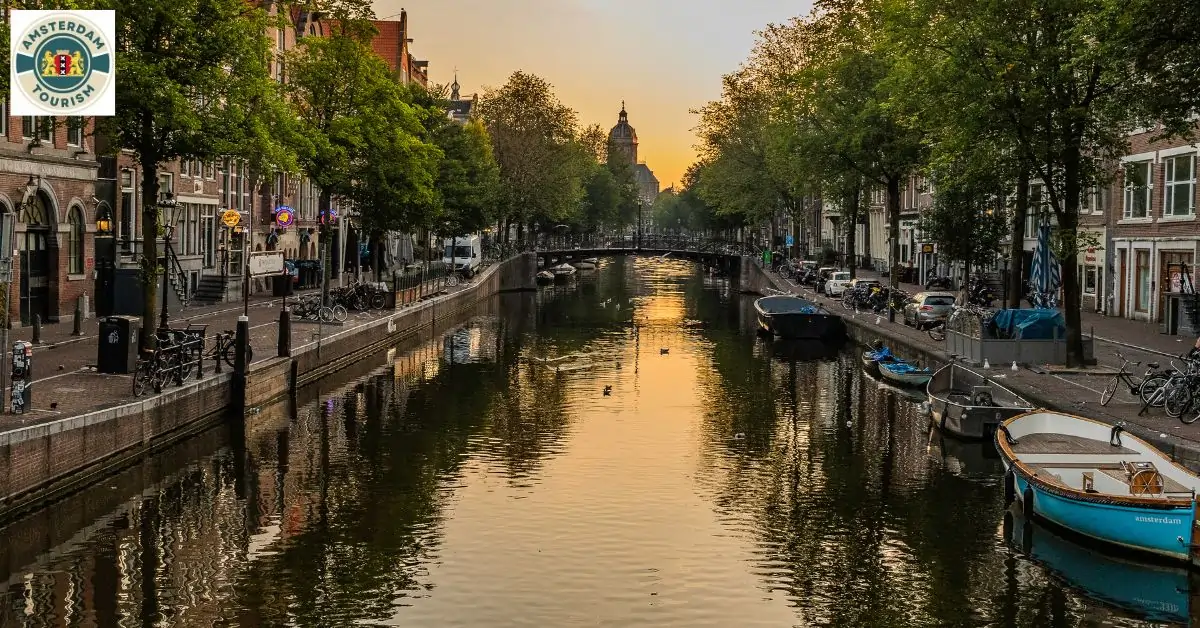
The Grachtengordel is Amsterdam’s historic canal belt, constructed during the seventeenth century as part of a large-scale urban expansion beyond the city’s medieval boundaries.
Work on the canal system began in 1613, when Amsterdam’s rapid economic growth required new residential space, improved water management, and better transport infrastructure.
The plan introduced a structured ring of waterways designed to support trade, housing, and city governance simultaneously.
Construction continued for more than fifty years. By the mid-seventeenth century, the canal belt had established Amsterdam as one of Europe’s most advanced planned cities and a major centre of global commerce.
Why Was the Canal Belt Built?
The Grachtengordel was created to solve multiple challenges at once.
Amsterdam needed space for population growth, secure routes for transporting goods, and an effective system for drainage and flood control.
The canal belt addressed all three through a carefully planned layout that combined urban design with hydraulic engineering.
The result was a city expansion that balanced commercial efficiency with residential prestige, particularly along the inner canals where wealthy merchants built large canal houses.
How Is the Grachtengordel Structured?
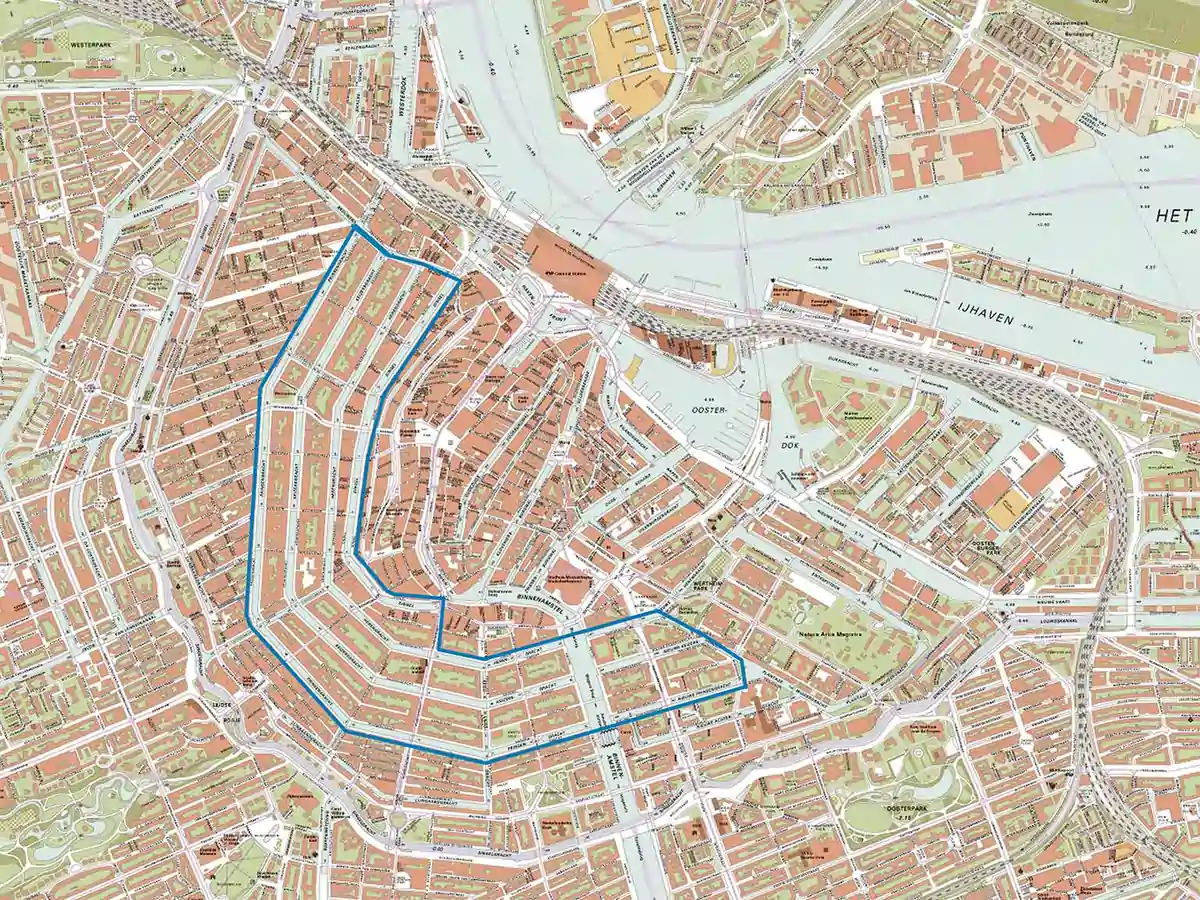
The canal belt consists of three principal canals arranged in wide arcs around the historic centre.
Herengracht
Known as the Patricians’ Canal, Herengracht was the most prestigious address in seventeenth-century Amsterdam.
Its Golden Bend section contains some of the city’s grandest canal houses.
Keizersgracht
Keizersgracht is the widest of the three main canals and was lined with large merchant residences and warehouses.
Its scale reflects Amsterdam’s economic confidence during the Dutch Golden Age.
Prinsengracht
Prinsengracht is the longest and most active canal. It is home to major landmarks, residential areas, and cultural institutions, making it the most socially diverse of the three.
Together, these canals form the core of the Grachtengordel. The area between Brouwersgracht and the Amstel River is generally considered the formal canal ring.
However, the Singel and several outer canals are often included in broader definitions.
Why Is the Grachtengordel a UNESCO World Heritage Site?
UNESCO added the Grachtengordel to its World Heritage List in recognition of its exceptional urban planning and engineering value.
The canal belt represents a complete and well-preserved example of seventeenth-century city expansion based on water management, controlled growth, and coherent architectural design.
Its original layout continues to function effectively within a modern capital city.
Today, more than 100 kilometres of canals pass through Amsterdam, bordered by approximately 1,550 historic buildings, many of which remain in residential or commercial use.
When Is the Best Time to Visit the Canal Belt?
The canal belt can be visited year-round, but certain periods offer clearer advantages depending on interests.
Mid-April to Early June
Spring brings mild temperatures, tree-lined canals, and fewer visitors than peak summer.
This period suits walking routes and outdoor cafés.
September
Early autumn offers stable weather and softer daylight, which is particularly effective for photography.
Local routines resume after the summer holidays.
January to February
Winter provides a quieter atmosphere. In colder years, frozen canals add a rare visual element to the historic setting.
July and August are typically the most crowded months and are less suitable for relaxed exploration.
What Are the Best Things to Do in the Grachtengordel?
Which Cultural Sites Are Worth Visiting?
Het Grachtenhuis, also known as the Canal House Museum, provides a detailed introduction to the canal system’s history and design.
Its interactive exhibits explain construction methods and the social structure behind canal house development.
Hidden courtyards, locally called hofjes, offer calm spaces behind street façades. Accessible examples include Begijnhof and courtyards linked to the Amsterdam Museum.
Classical music performances take place in historic venues such as Felix Meritis on Keizersgracht and Bethaniënklooster near the former harbour area, often inside original seventeenth-century interiors.
Where Are the Best Photography Locations?
Notable photography spots within the canal belt include:
- Reguliersgracht near Thorbeckeplein for the Seven Bridges view
- Staalmeestersbrug for traditional canal scenes
- Groenburgwal is aligned with the Zuiderkerk tower
- Papiermolensluis on Brouwersgracht during early morning
- Herengracht 386 along the Golden Bend
- Spiegelgracht and Prinsengracht with the Rijksmuseum backdrop
- Leidsegracht and Keizersgracht at night
- Brouwersgracht and Herengracht at sunrise
- Amstel and Nieuwe Herengracht junction
- Oude Kerk surroundings, where canals meet medieval streets
- Keizersgracht 123 for multi-canal perspectives
What Water-Based Activities Are Available?
Smaller boat operators provide a quieter alternative to large cruise vessels. Local companies such as Dam Boat Guys and Amsterdam Boat Centre focus on small-group experiences.
During warmer months, canal paddleboarding is available on Prinsengracht, and resident-hosted evening boat gatherings occasionally open participation to visitors through local event platforms.
Where Can You Eat and Drink Along the Canals?
Food and drink options within the canal belt range from traditional to contemporary.
- De Kaaskamer on Runstraat specialises in Dutch cheeses
- Proeflokaal de Ooievaar reflects historic Amsterdam drinking culture
- Restaurants such as Greetje and Ceppi focus on modern Dutch cuisine
What Are the Best Walking Routes in the Canal Belt?
Popular routes include:
- The Seven Bridges Walk starting at Reguliersgracht
- An architectural route along Herengracht from Brouwersgracht to the Amstel
- A photography-focused early morning walk from Brouwersgracht to Oude Schans
What Evening Activities Are Available?
Evenings in the canal belt offer varied options, including:
- Jazz performances at Café Langs de Gracht
- Theatre productions at Compagnietheater
- Rooftop venues such as W Lounge and Blue Amsterdam for city views
What Seasonal Events Take Place Along the Canals?
Seasonal highlights include:
- Spring canal-side markets and the floating flower market
- Open Garden Days in June, allowing access to private canal house gardens
- Autumn performances during the Amsterdam Dance Event hosted in the canal houses
- Winter boat routes during the Amsterdam Light Festival

Which Hotels Are Best Located in the Canal Belt?
Several hotels offer direct access to the historic canal area:
- Ambassade Hotel on Herengracht near the Anne Frank House and The Nine Streets
- Hotel Estherea on Singel, close to Begijnhof and the flower market
- The Dylan Amsterdam on Keizersgracht has fine dining facilities
- Pulitzer Amsterdam, spanning multiple canal houses on Prinsengracht
- Andaz Amsterdam Prinsengracht near Museumplein and Leidseplein
- Waldorf Astoria Amsterdam on Herengracht with a private canal garden
- The Hoxton, Amsterdam, on Herengracht near the Royal Palace
Why Does the Grachtengordel Still Matter Today?
The Grachtengordel remains central to Amsterdam’s identity because it continues to function as a living urban system rather than a preserved relic.
Its canals, buildings, and public spaces support daily life, commerce, and culture in much the same structural form as they did four centuries ago, making it one of the most enduring examples of historic city planning in Europe.
Why Is the Amsterdam Canal Ring Recognised by UNESCO?
The Grachtengordel forms the physical and historical core of the Amsterdam Canal Ring that has been listed as a UNESCO World Heritage Site.
While this guide explains how the canal belt was built, how it functions, and how it is experienced today, UNESCO recognition focuses specifically on the canal ring’s planning principles, water management system, and level of preservation.
For a detailed explanation, read why the Amsterdam Canal Ring meets UNESCO World Heritage criteria, including its historical boundaries and cultural significance.