Table of Contents
Why Amsterdam Leads in Circular & Vintage Fashion
Amsterdam is one of Europe’s most dynamic centres for vintage clothing, circular fashion, and conscious consumption.
Whether you’re after affordable one-of-a-kind pieces or innovative second-life garments, the city’s shops offer global influence grounded in Dutch creativity.
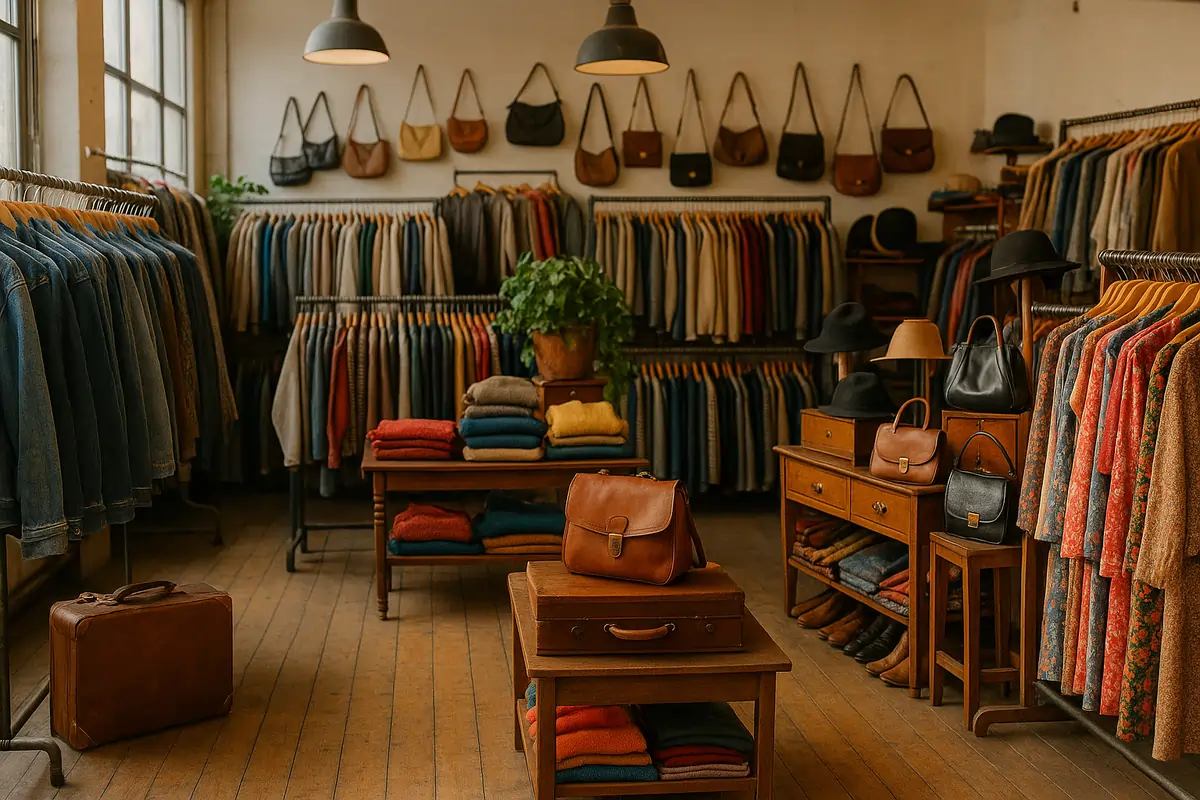
Store Locations
De Negen Straatjes (Nine Streets)
- Zipper Vintage – Huidenstraat 7, 1016 ER
- Episode – Berenstraat – Berenstraat 1, 1016 EZ
Spui / City Centre
- Episode – Spuistraat – Spuistraat 96, 1012 VA Amsterdam
Haarlemmerdijk / West
- The Swapshop – Haarlemmerdijk – Haarlemmerdijk 89, 1013 KC
De Jordaan
- Lena Fashion Library – Jordaan flagship – Westerstraat 174H, 1015 MP
De Pijp
- Lena Pop-up / Satellite location (seasonal) – De Pijp district (announced per season)
Amsterdam Noord
- IJ-Hallen Flea Market – NDSM-Werf 85, 1033 WC
Store-by-Store Price Structures
| Store | Pricing Model | Typical Costs | Notes |
|---|---|---|---|
| Episode | Fixed-price retail | €10–€80+ | Affordable vintage basics to premium coats. |
| The Swapshop | Token-based circular model | €0–€30 top-ups | Swap tokens determine item price; supports circular fashion. |
| Lena Fashion Library | Credit-based daily pricing, not monthly | €4–€25 per item per 7 days (varies by brand) | Pay-per-wear; sustainable rotation model. |
| IJ-Hallen | Market stall pricing | €2–€20 for most clothing | Entry fee approx. €5; huge selection. |
| Zipper Vintage | Curated vintage pricing | €20–€120 | Higher for rare and designer pieces. |
Vintage & Sustainable Fashion in Amsterdam
Amsterdam’s fashion culture blends creativity with practical sustainability.
Vintage stores operate alongside repair ateliers, swap hubs, and flea markets, creating one of Europe’s healthiest ecosystems for second-life fashion.
With rising awareness of textile waste and a thriving designer community, Amsterdam continues to push circular fashion into the mainstream.
1. Episode – Amsterdam’s Most Recognisable Vintage Chain
Branches: Berenstraat (Nine Streets), Spuistraat (City Centre), Waterlooplein, Kinkerstraat
Address (Spui area): Spuistraat 96
Price Range: €10–€80+
Episode is the city’s go-to vintage chain: colourful racks, denim walls, leather jackets, flannels, retro sportswear, Y2K pieces, and more.
What makes Episode dominate SERPs:
- High stock turnover
- Multiple convenient locations
- Low barrier entry for vintage newcomers

2. The Swapshop – The Heart of Amsterdam’s Circular Fashion Scene
Location: Haarlemmerdijk 89
Model: Swap your clothes → earn tokens → redeem items
Costs: €0–€30 for cash top-ups
The Swapshop offers one of Amsterdam’s most successful circular retail models. You bring good-quality clothing, receive “swaps”, and use those to shop sustainably.
Why it outperforms typical thrift stores:
- Encourages reuse rather than consumption
- Prices are far lower than standard vintage prices
- Inventory rotates constantly

3. Lena Fashion Library – Borrow Fashion, Don’t Buy It
Locations:
- Jordaan Flagship: Westerstraat 174H
- De Pijp seasonal pop-ups
Pricing:
✔ Not subscription-based, Lena uses a credit system
✔ You pay credits per day per item
✔ Approx. €4–€25 per item per week, depending on designer, category, and rarity
Lena operates as a borrowing library for fashion, creating a wardrobe that minimises waste and maximises creativity.
Why Lena stands apart:
- Perfect for people who love outfit rotation
- Access to designer-level pieces without purchasing
- More sustainable than even second-hand buying

4. IJ-Hallen – Europe’s Largest Vintage Market
Location: NDSM-Werf, Amsterdam Noord
Pricing: Most items €2–€20
IJ-Hallen is not a store, it’s a monthly event spanning two enormous industrial halls. Thousands of sellers offer clothing, accessories, antiques, and rare finds.
Why it’s unbeatable for bargain hunters:
- True treasure-hunt experience
- Authentic vintage from private sellers
- The largest market of its kind in Europe
Pro Tips:
- Arrive before 10:00
- Bring cash and tote bags
- Plan ferry transit (free from Amsterdam Centraal)

5. Zipper Vintage – A Local Classic Since 1979
Location: Huidenstraat 7, Nine Streets
Price Range: €20–€120
Zipper is one of Amsterdam’s most respected vintage institutions, known for curated retro selections including leather, denim, prints, and 60s–90s fashion staples.
Why it remains iconic:
- Curation quality
- Longevity (over 40 years)
- Ideal location for boutique shoppers

Neighbourhood Guide for Vintage Shoppers
De Negen Straatjes (Curated & Boutique Vintage)
Zipper, Episode, premium curated stores, cafés, and canal-house charm.
Haarlemmerdijk (Young, Trendy, Circular Focus)
The Swapshop, indie boutiques, concept stores.
De Jordaan (Sustainable, Artistic, Independent)
Lena, atelier culture, slow-fashion pop-ups.
Amsterdam Noord (Budget, Experimental, Urban)
IJ-Hallen, design studios, industrial architecture.
City Centre / Spui (High Footfall, Easy Access)
Episode Spuistraat, central shopping routes.
How This Connects to Amsterdam Fashion Week 2025
AFW 2025 emphasises circular design, upcycling, repurposed textiles, and slow fashion principles.
Shopping at Amsterdam’s sustainable and vintage stores deepens appreciation for the city’s role in pioneering real-world fashion transformation beyond the runway.

FAQ
1. What are the best vintage stores in Amsterdam in 2025?
Top options include Episode, Zipper Vintage, Lena Fashion Library, IJ-Hallen, and The Swapshop. These stores offer everything from curated retro pieces to circular fashion options.
2. Where can I shop for sustainable fashion in Amsterdam?
The best sustainable fashion hotspots include The Swapshop, Lena Fashion Library (Jordaan & De Pijp), and several independent eco-conscious boutiques in De Negen Straatjes and Jordaan.
3. How much does vintage clothing cost in Amsterdam?
Prices range widely. The episode offers €10–€80 items, Zipper ranges from €20–€120, IJ-Hallen sells many pieces for €2–€20, and Lena uses a credit-based rental system.
4. Is IJ-Hallen worth visiting for vintage shopping?
Yes. IJ-Hallen is Europe’s largest flea market and ideal for bargain hunters. Most clothing is under €10, and the selection is unmatched in size.
5. How does Lena Fashion Library work?
Lena uses a credit-based borrowing model. Instead of buying clothes, you borrow pieces and pay a daily or weekly fee, depending on the item’s value.
6. Is the Swapshop cheaper than regular vintage stores?
Usually yes. Since you trade clothes for tokens, many items cost little or nothing. Cash top-ups are available but optional.
7. What neighbourhoods in Amsterdam are best for vintage shopping?
The top districts are De Negen Straatjes (curated vintage), Jordaan (sustainable fashion), De Pijp (independent boutiques), Haarlemmerdijk (swap & thrift), and Amsterdam Noord (markets).
8. Are Amsterdam’s vintage shops tourist-friendly?
Yes. Most shops are centrally located, accept cards, and have English-speaking staff. IJ-Hallen is accessible via a free ferry from Amsterdam Centraal.
9. What should I bring when vintage shopping in Amsterdam?
Bring cash for markets, a tote bag for purchases, and comfortable shoes. For swap-based shops, bring clean, good-conditioned clothing.
10. What’s the best time to shop for vintage clothes in Amsterdam?
Weekday mornings offer the best fresh stock in shops. For IJ-Hallen, arrive early (before 10 a.m.) for the best selection.
Final Tips for Vintage Shopping in Amsterdam
- Bring a reusable bag for sustainability and convenience
- Wear comfortable shoes in markets
- Check opening/market dates (IJ-Hallen varies monthly)
- Inspect seams, zippers, and linings in true vintage pieces
- Explore multiple neighbourhoods for a complete fashion experience
Explore More Sustainable Ways to Experience Amsterdam
Shopping vintage and supporting circular fashion are just two ways to reduce your footprint while exploring the city.
If you want to dive deeper into eco-conscious travel, from green transport tips to responsible sightseeing, check out our complete guide to sustainable travel in Amsterdam.
It outlines practical ways to enjoy the city responsibly while supporting local communities and reducing environmental impact.