Paradiso is one of Amsterdam’s most recognised music and cultural locations.
Housed inside a former 19th-century meeting hall, the venue combines historic design with contemporary performance and community programs.
Its timeline, wide-ranging activities and role in Dutch and international music scenes have shaped its reputation as a cultural landmark.
This guide explains what Paradiso is, how it developed, what sets it apart and what visitors can expect today.
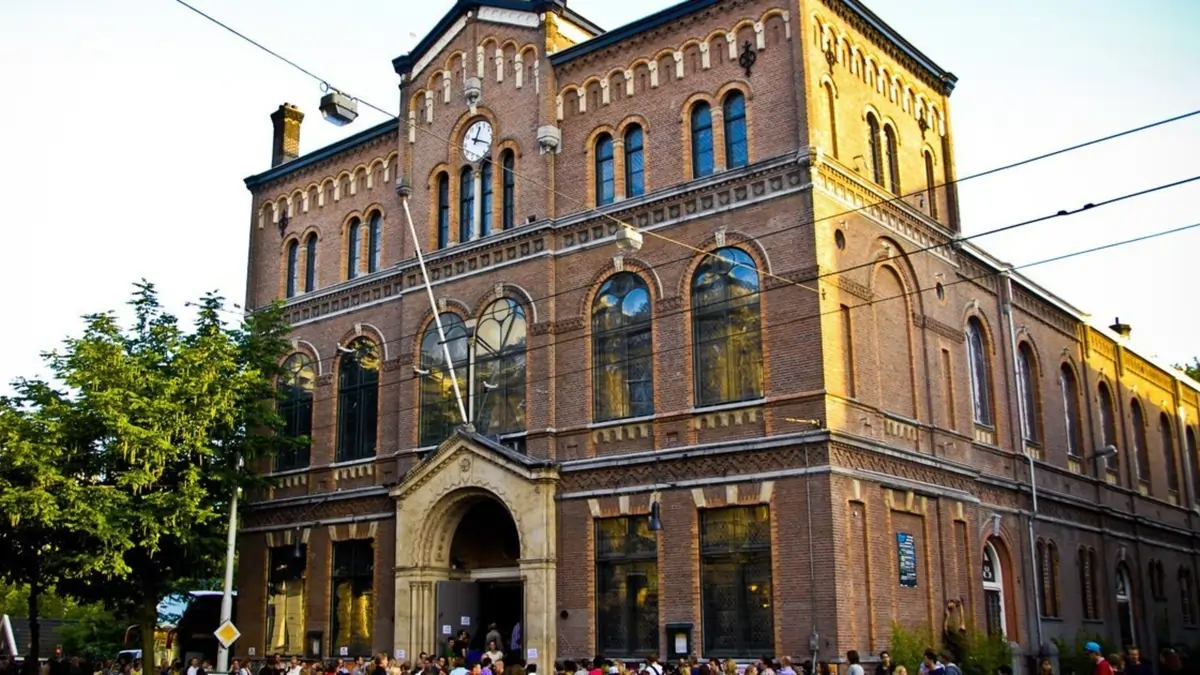
Table of Contents
What Is Paradiso and How Did It Begin?
Paradiso occupies a building constructed in 1880 for the Vrije Gemeente, a progressive social congregation that organised lectures, gatherings and musical presentations.
The group moved to a new location in the mid-1960s, leaving the building vacant.
In October 1967, a collective of young creatives began using the empty space for music sessions, meetings and cultural activities.
The idea gained momentum, especially within Amsterdam’s growing youth culture.
The city soon approved the concept of converting the neglected building into a creative venue.
Paradiso officially opened on 30 March 1968. From its first day, the venue welcomed experimental musicians, alternative performers and cultural groups seeking a space for art and expression.
How Did Paradiso Develop Into a Cultural Landmark?
The venue evolved through several well-defined periods.
Late 1960s
A focus on creative freedom, experimentation and open gatherings. Early concerts featured psychedelic and alternative performers.
1970s
Paradiso became a recognised space for rock, punk, new wave, soul and political music movements. Many influential musicians passed through the venue during this decade.
1980
The building was added to the national monument registry. This protected the exterior architecture and preserved its historical value.
1980s to early 1990s
The venue expanded its program to include world music, jazz, contemporary compositions and socially themed events. The upstairs hall became a regular performance space for new talent.
Mid-1990s to early 2000s
Paradiso grew into an international destination. Electronic music, hip-hop, alternative pop and global acts shaped its identity. Technical upgrades in the early 2000s improved lighting, acoustics and balcony layouts.
2010s
The venue developed partnerships, cultural projects and community programs through its non-profit structure. Paradiso became known for research-based initiatives and multidisciplinary events.
2020s
The venue continues to present concerts, club nights, cultural talks, experimental programs and youth-focused activities. Regular technical improvements keep the hall suitable for modern performance standards.

What Architectural Features Make Paradiso Distinctive?
Although its purpose changed, the building retains its 1880 structure. Key features include:
- Tall arched windows
- Two balcony layers surrounding the main floor
- High ceilings are suitable for amplified sound
- Stone and wood detailing that give the interior a warm tone
Paradiso contains several performance areas:
Main Hall
A large standing hall with balconies. Well-suited for high-energy concerts, large bands and international acts.
Upstairs Hall
A smaller space often used for independent musicians, spoken word, jazz sessions, niche genres and cultural programs.
Lower-level rooms
Designed for club nights, workshops, creative labs and intimate gatherings.
This layout gives Paradiso the flexibility to host multiple event types on the same day.
Which Types of Events Does Paradiso Present?
Paradiso is known for its broad event schedule. Categories include:
- Rock, pop, punk, soul, jazz and world music
- House, techno, electronic and DJ-led sessions
- Contemporary compositions and experimental projects
- Theatre, literary events, film showings and panel discussions
- Cultural workshops, youth programs and community-focused events
This variety attracts both long-term fans and first-time visitors.
Which Artists Have Performed at Paradiso?
Paradiso has hosted a long list of well-known performers across several decades.
Many internationally recognised artists played important shows here early in their careers.
Others used the venue for unique performances that became an essential part of their touring history.
The hall is appreciated for its atmosphere, scale and acoustics, which create a sense of closeness between performers and audiences.

What Role Does Paradiso Play in Amsterdam Today?
Paradiso functions as a performance hall, cultural hub and non-profit foundation. Its activities include:
- Concerts across many genres
- Late-night club programs
- Artistic development sessions
- Cultural talks and creative workshops
- Social and educational projects
- Programs for young musicians and emerging talent
- Collaborations with external cultural partners
The foundation structure allows Paradiso to prioritise cultural value, accessibility and artistic development.
What Can Visitors Expect in 2025?
Visitors can expect:
- A busy schedule with events nearly every day
- Performances by international artists, regional musicians and rising talent
- Distinctive spaces that maintain 19th-century architectural elements
- Quality sound and lighting following upgrades in recent decades
- Late-night sessions that follow certain concerts
- Intimate shows in the upstairs hall for niche genres and independent artists
These factors contribute to Paradiso’s ongoing popularity among residents and tourists.
Why Do People Choose Paradiso Over Other Music Venues?
Visitors often highlight several advantages:
Historical character
The preserved 1880 architecture contributes to a memorable concert experience.
Programming variety
The schedule spans many genres and cultural categories.
Cultural significance
Paradiso influenced important music movements, especially during the 1970s and 1980s.
Community involvement
The venue supports creative talent, social programs and artistic development.
Flexible space
Large and small rooms allow a wide range of performance styles.
How Can Visitors Choose the Right Event at Paradiso?
Visitors can decide based on:
- Preferred genre
- Hall size
- Time of day
- Whether they want a concert, cultural talk or club night
- Interest in rising artists
- Desire for a small or large atmosphere
The program is broad enough to fit many interests.
FAQ
Q. When was the Paradiso building constructed?
The building was completed in 1880 for the Vrije Gemeente.
Q. When did Paradiso officially open?
It opened as a cultural venue on 30 March 1968.
Q. Who began using the building before its official opening?
A creative youth collective occupied the building in October 1967.
Q. Does Paradiso only present concerts?
No. The venue hosts club nights, talks, artistic programs, film events, workshops and community activities.
Q. Is Paradiso suitable for new musicians?
Yes. The upstairs hall and smaller rooms are often used for rising artists and niche genres.
Q. Is Paradiso a commercial venue?
Paradiso operates as a non-profit foundation that supports cultural participation.
Q. What architectural features define Paradiso?
Arched windows, balcony layers and high ceilings from its 1880 construction.
Q. Does Paradiso host events throughout the week?
Yes. The schedule frequently includes daily performances.
Q. Why do musicians enjoy performing at Paradiso?
Artists value the acoustics, the engaged audience and the unique interior.
Which Other Nightlife Locations Can Visitors Explore in Amsterdam?
Visitors interested in Paradiso often look for other lively evening spots in the city.
One of the most recognised club experiences is Escape Nightclub.
It is known for energetic dance floors, large-scale productions, popular DJs and late-night sessions that attract both residents and tourists.
This makes it a suitable option for visitors who want to explore a different side of Amsterdam’s night scene after learning about Paradiso.